
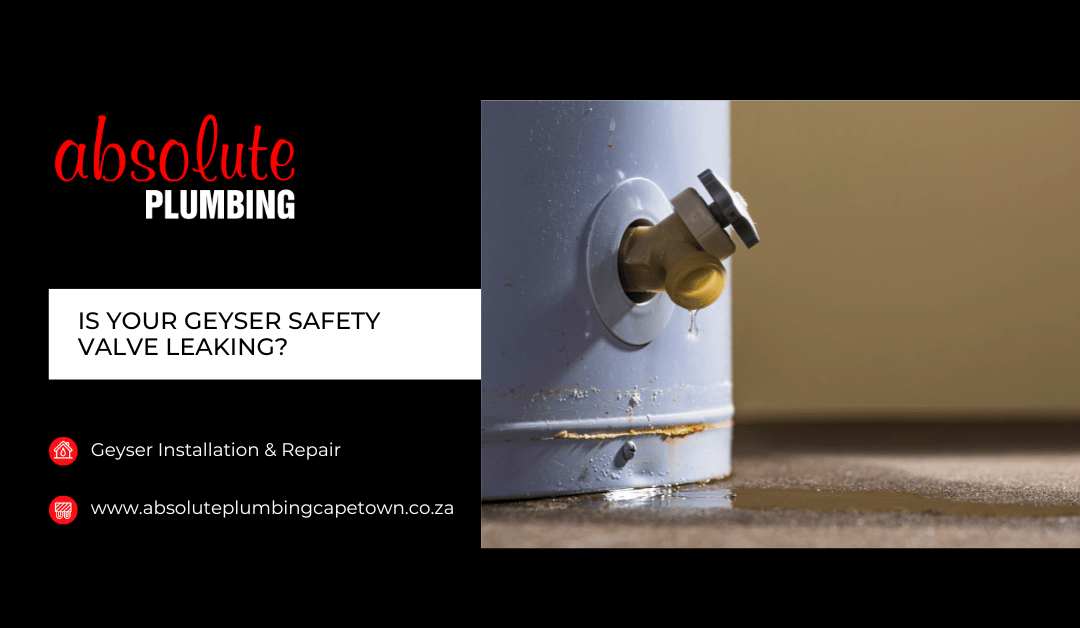
If you have noticed a geyser safety valve leaking around your hot-water system, not every drip means the valve has failed. A small amount of intermittent discharge may occur as the geyser heats up and the water expands. However, continuous dripping, a steady stream, or a sudden increase in discharge should be assessed.
The water may not always be coming from the safety valve itself. It could be coming from the temperature and pressure relief valve, the pressure-control assembly, the drip tray overflow, nearby pipework, or the geyser cylinder. Identifying the correct source is the first step in deciding whether the discharge may be normal, requires repair, or indicates a more serious fault.
Do not assume that the geyser has burst or that the valve simply needs tightening. A discharge or overflow pipe should never be blocked, capped, or plugged, and the underlying cause should be diagnosed before any repair or replacement is carried out.
Which Geyser Valve Is Actually Leaking?
A compliant hot-water installation contains several different safety and control components, and the source of the water affects whether the discharge may be normal or faulty.
Temperature And Pressure Relief Valve
The temperature and pressure relief valve is attached directly to the geyser and is designed to release water if the temperature or pressure inside the cylinder becomes unsafe. Persistent flow, extremely hot water, steam, or boiling noises should be taken seriously.
Pressure Control And Expansion Relief Valve
The geyser pressure control valve regulates the pressure entering the geyser system. In many domestic installations, the pressure-control assembly also incorporates an expansion-relief function, although separate expansion-control valves are also used. The expansion-relief outlet may release a small amount of water while the geyser is heating. A brief discharge during the heating cycle is different from a constant leak that continues throughout the day.
Drip Tray Overflow Pipe
Water flowing from the geyser drip tray overflow may indicate a leak from the cylinder, a fitting, or nearby pipework rather than a leaking safety valve. Note where the water appears, whether it is hot or cold, and whether it occurs only during heating or continuously.
Is It Normal For A Geyser Safety Valve To Drip?
Yes. A small intermittent discharge can be normal when water heats up and expands inside a closed hot-water system.
A normal pattern is usually brief and linked directly to the heating cycle. A problematic pattern may involve continuous dripping, a steady stream, water leaking from the body of the valve, or water flowing from a drip tray or overflow pipe.
The pattern of the leak is often more useful than the mere presence of water. If the discharge continues throughout the day, becomes noticeably heavier, or allows water to enter the ceiling or surrounding area, the system should be professionally assessed.
Why Is My Geyser Safety Valve Leaking?
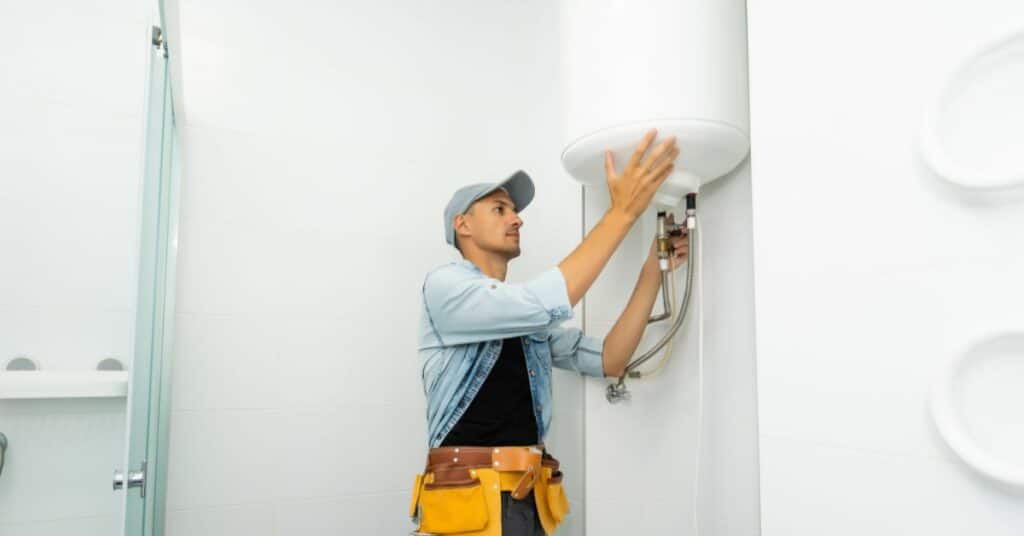
If geyser safety valve leaking has become a persistent problem, replacing the visible valve without diagnosing the cause may result in the new valve leaking as well. A proper diagnosis considers the entire geyser installation, including pressure control, temperature regulation, pipework arrangement, and the condition of the safety components.
Normal Expansion While The Water Heats
As water heats up, it expands. The expansion-relief mechanism may discharge a small amount of water to prevent excessive pressure inside the system. Brief dripping during the heating cycle can be normal, but it should be checked if it becomes excessive, starts suddenly, or causes water damage.
Excessive Incoming Water Pressure
Excessive or fluctuating incoming supply pressure can contribute to valve problems, particularly where the pressure-control valve is faulty, incorrectly rated, incorrectly installed or unable to regulate the downstream pressure properly. You may notice frequent discharge, unusually strong pressure at taps or fluctuating water pressure. A plumber can measure the static and operating pressures to determine whether the supply pressure and pressure-control system are functioning correctly.
A Worn Or Failed Valve
The seals and springs inside a safety valve can wear out over time. A worn valve may drip continuously, leak around the valve body, regulate pressure incorrectly, or show signs of corrosion or mineral buildup. Inspection is needed to determine whether servicing or replacement is appropriate.
Dirt, Sediment Or Scale Inside The Valve
Mineral deposits or debris can prevent a valve from seating and closing properly, causing continued dripping even after the pressure has normalised. Some valves may be serviceable, but pressurised safety components should not be dismantled or adjusted by an unqualified person.
An Incorrectly Matched Valve
Geysers and their safety components have specific pressure ratings. An incorrectly rated valve may open too frequently, fail to regulate pressure correctly, or provide inadequate protection for the geyser. Any replacement valve must be compatible with the geyser’s operating pressure and the wider installation.
Incorrect Or Non-Compliant Installation
Installation faults can interfere with safe pressure control. Problems may include restricted discharge piping, incorrectly joined overflow and discharge pipes, blocked discharge routes, incorrect valve positioning, unbalanced hot- and cold-water supplies, or previous alterations that do not comply with the applicable SANS requirements for the installation.
A Thermostat Or Temperature-Control Problem
The T&P valve may open if the geyser overheats. Warning signs include:
- Water that is much hotter than usual,
- Seam from the discharge pipe,
- Boiling or rumbling noises, or
- Repeated heavy discharge from the relief valve.
Because overheating may involve both plumbing and electrical components, it should be professionally assessed rather than tested or adjusted as a DIY repair. Plumbing components should be assessed by a suitably qualified plumber, while electrical faults involving the thermostat, element or wiring may require a qualified electrical professional.
Unbalanced Water Pressure
Hot and cold water supplies should be correctly balanced. If the cold-water pressure is higher than the controlled hot-water pressure, it may push back against the hot-water system and contribute to pressure fluctuations and repeated expansion-valve discharge. Identifying this problem usually requires pressure testing at different points in the system.
A Problem Elsewhere In The Geyser System
Sometimes the valve is responding correctly to another fault rather than being the cause of the leak itself. The underlying issue could involve a faulty thermostat, excessive incoming pressure, a blocked pipe, an incorrect valve arrangement, a damaged fitting, a failing geyser cylinder, or a leak close to the valve that only appears to be coming from it. This is why the complete installation should be assessed before repair or replacement is recommended.
What Are The Risks Of Ignoring A Leaking Geyser Valve?
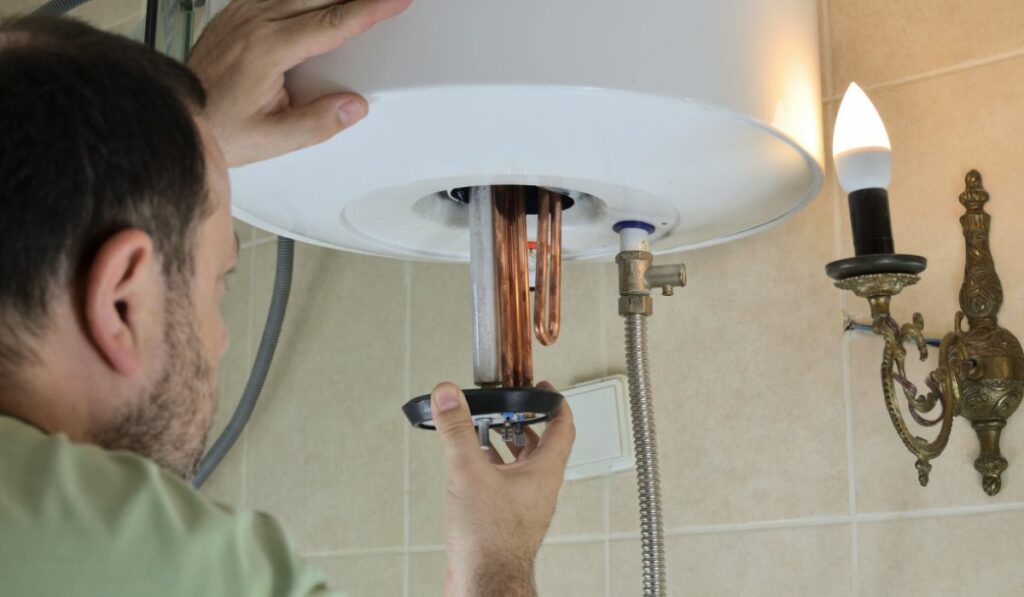
A leaking geyser valve is not always an emergency, but persistent, worsening, or indoor leaking should not be ignored. The key question is whether the discharge is a normal heating-cycle release or a sign of a pressure, temperature, or installation problem that requires professional attention. These are the most common risks associated with a leaking geyser valve:
Water Damage
Persistent leaking can damage ceilings, insulation, cupboards, walls, flooring, electrical fittings, and items stored near the geyser. The risk is higher when the discharge or overflow pipe is damaged, blocked, incorrectly routed, or releasing water inside the building rather than through the designated discharge point.
Wasted Water And Higher Electricity Use
A continuous leak wastes treated municipal water. It may also cause the geyser to refill more frequently with cold water and heat more often, which could increase electricity use. The increase will depend on the size of the leak, water usage, and how often the geyser reheats.
Loss Of Pressure Protection
A leaking valve may be faulty, but it may also be actively relieving excessive pressure. Blocking the outlet can remove an essential safety route and allow pressure to build up inside the system.
Never plug, cap, clamp, or obstruct a geyser safety-valve outlet or overflow pipe to stop the dripping.
Damage To The Geyser And Plumbing System
Excessive pressure can place strain on the geyser cylinder, pipes and fittings, taps and mixers, flexible connectors, and other plumbing components. Pressure-control and relief valves are designed to prevent pressure from rising beyond the safe operating range of the hot-water system.
Overheating Or Unsafe Pressure Conditions
Discharge from the T&P valve may indicate excessive temperature or pressure inside the geyser. This does not automatically mean the geyser is about to burst, but it does mean the valve is operating as a safety component and the cause of its activation should be identified through professional inspection.
When Is A Leaking Geyser Valve An Emergency?
Arrange urgent professional assistance if:
- Water is flowing continuously or heavily
- The water is extremely hot or steaming
- The geyser is making boiling, rumbling, or unusual pressure noises
- Water is entering the ceiling or running near electrical fittings
- There is a sudden loss of hot water together with a significant leak
- The valve or connected pipe is visibly damaged, cracked, or heavily corroded
- Water appears to be leaking from the geyser cylinder itself
If water is close to electrical equipment, avoid the affected area and arrange professional assistance immediately.
What Can You Safely Check Before Calling A Plumber?
You can make several useful observations before arranging a call-out, and these details can help speed up the diagnosis. The goal is to observe the system without interfering with any pressurised safety components.
Here are the things you can safely do without a plumber:
- Observe which valve, pipe, or area the water is coming from
- Note whether the leaking occurs only while the geyser is heating or continues throughout the day
- Check whether the water is dripping, running, or spraying
- Note whether the water appears cold, warm, or unusually hot without placing your hand under a forceful discharge
- Look for visible corrosion, water stains, or physical damage from a safe position
- Check whether taps have unusually high or fluctuating pressure
- Photograph the valve, geyser label, and affected area
- Record when the problem started and whether any plumbing or electrical work was recently completed
- Move belongings away from the affected area where this can be done safely
You should not plug or cap any discharge or overflow pipe, dismantle the valve, turn adjustment screws, repeatedly operate a damaged or corroded valve, replace the valve with one that merely looks similar, work on the thermostat, element, or electrical connections, climb into an unsafe roof space or ceiling cavity, or ignore water near electrical equipment.
These observations can help a plumber determine whether the discharge is linked to the heating cycle, excessive pressure, a valve problem, or another fault elsewhere in the geyser system without exposing you to unnecessary risk.
Can A Leaking Geyser Safety Valve Be Repaired?
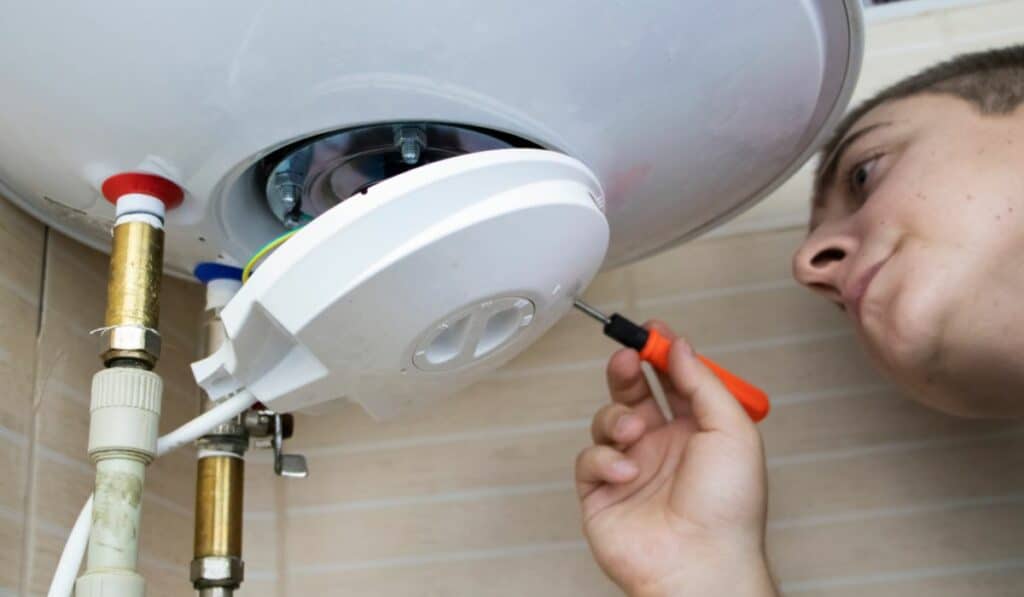
Whether geyser valve repair is possible depends on the valve type, its condition, and the underlying cause of the leak. In some cases, the valve itself is not the primary problem.
Servicing may be possible if the particular valve is designed to be serviced, dirt or debris is preventing it from closing properly, a replaceable seal or internal component is available, the valve is correctly rated for the geyser, the valve body is not cracked or heavily corroded, and the underlying pressure problem can be corrected safely.
Repairing the leak may involve correcting another issue rather than repairing the valve itself. The solution may include correcting excessive incoming pressure, restoring balanced hot- and cold-water pressure, clearing or correcting a discharge route, replacing an incorrectly positioned component, repairing a nearby fitting, or addressing a thermostat or temperature-control fault.
A plumber may consider servicing or geyser valve replacement depending on the condition of the valve and the wider installation. Servicing is not automatically cheaper or preferable and should only be recommended where the component can continue to operate safely and reliably. Replacing the valve alone may not solve the problem if excessive pressure, incorrect pipework, a blocked discharge route, or an overheating fault remains unresolved.
When Does A Geyser Valve Need To Be Replaced?
Geyser valve replacement is usually necessary when the valve can no longer operate safely and reliably.
Replacement is likely when the valve cannot close or regulate pressure correctly, is cracked or physically damaged, shows significant corrosion, contains worn internal components that cannot be serviced, has the wrong pressure rating, has failed a previous repair attempt, has become obsolete, lacks suitable replacement parts, fails pressure or operational testing, or has been damaged by incorrect installation or alteration.
A replacement valve must be correctly selected, installed, and tested so that it matches the geyser’s specified operating pressure and forms part of a properly functioning safety system.
It is also important to remember that a new valve may continue leaking if the underlying cause is not addressed. A plumber may still need to investigate excessive incoming pressure, an unbalanced hot- and cold-water system, incorrect pipework, a blocked discharge route, a thermostat fault, or another problem elsewhere in the geyser installation before replacement can be considered a complete solution.
What Will A Plumber Check?
A proper inspection involves more than simply changing the visible valve. Depending on the location and pattern of the leak, the plumber may need to:
- Identify the exact valve, pipe, or discharge point
- Determine whether the water is coming from the T&P valve, pressure-control valve, expansion-relief outlet, or drip tray
- Measure the incoming water pressure and check it under static and operating conditions
- Confirm the pressure ratings of the geyser and its valves
- Establish whether the discharge occurs only during heating or continuously
- Inspect the valve for dirt, sediment, scale, corrosion, or component wear
- Check for signs of overheating or thermostat failure
- Inspect the position of safety components and the routing of discharge and overflow pipes
- Assess whether the hot and cold supplies are properly balanced
- Inspect the cylinder, fittings, and drip tray for additional leaks
This type of assessment is important because geyser safety valve leaking is often a symptom of another problem elsewhere in the installation rather than a simple standalone valve failure. A plumber may also assess the installation against the relevant SANS requirements and test the system after servicing or replacement where appropriate.
Should You Replace The Valve Or The Entire Geyser?
A leaking valve does not automatically mean that the entire geyser needs to be replaced. Replacing or servicing the valve may be sufficient if the cylinder is still sound, there is no evidence of a cylinder leak, the geyser is not extensively corroded, the pressure and temperature controls are working correctly, the remaining installation can be made compliant, and the underlying pressure or pipework problem can be corrected.
A broader geyser repair or replacement may be considered when the cylinder itself is leaking, extensive corrosion is present, several safety or control components have failed, the geyser repeatedly overheats, the system repeatedly loses pressure, repairs have already failed, replacement parts are unavailable, the geyser’s overall condition makes further repairs uneconomical, or the installation has extensive compliance problems.
The recommendation should be based on inspection and testing rather than the age of the geyser alone. A relatively old geyser with a sound cylinder and a compliant installation may only require valve-related work, while a newer unit with cylinder damage, repeated overheating problems, unavailable components, or significant compliance defects may require more extensive repairs or full replacement.

How Can You Reduce The Risk Of Future Valve Leaks?
Not every valve leak can be prevented, but routine inspection and early intervention can reduce the risk of serious faults and water damage.
Check visible valves and pipework periodically for corrosion, mineral buildup, new water stains, or damp areas. Keep discharge and overflow routes unobstructed, investigate pressure fluctuations at taps, and arrange a professional inspection after plumbing alterations or geyser replacement work.
Arrange A Geyser Valve Inspection In Cape Town
Water should not flow continuously from your geyser valve or overflow pipe. Absolute Plumbing Cape Town can assess whether the water is being caused by normal thermal expansion, excessive incoming pressure, a failed or worn valve, an incorrectly matched component, a thermostat or overheating fault, incorrect installation, or a leak elsewhere in the geyser system.
If you have noticed a geyser safety valve leaking and are unsure whether it is a normal heating-cycle discharge or a sign of a more serious fault, contact Absolute Plumbing Cape Town to have the pressure, safety components, and complete geyser installation properly assessed.
Frequently Asked Questions About Leaking Geyser Valves
Is It Normal For A Geyser Safety Valve To Leak?
Yes, a small amount of intermittent dripping can be normal while the geyser is heating. As water heats, it expands, and the expansion-relief valve may release some water to prevent excessive pressure from building inside the system.
What is not considered normal is continuous dripping throughout the day, a steady stream of water, a sudden increase in discharge, or water leaking from the valve body itself. These patterns should be assessed by a plumber.
Why Is My Geyser Pressure Valve Leaking Continuously?
Continuous leaking can have several causes. These include a worn or faulty valve, dirt or scale preventing the valve from closing properly, an incorrectly rated valve, unstable water pressure, a problem with the pressure-control system, or another fault elsewhere in the geyser installation.
The valve should not simply be replaced without checking the cause. If another pressure, temperature or installation problem is making the valve discharge, a new valve may begin leaking as well.
How Do I Know Which Geyser Valve Is Leaking?
Start by looking at where the water is actually coming from and when it appears. Water from the pressure-control or expansion-relief outlet is different from water coming from the temperature and pressure relief valve, the drip tray overflow or a nearby pipe or fitting.
It can also help to note whether the water appears only while the geyser is heating, continues throughout the day, or is unusually hot. A plumber can use these clues to identify the source and determine whether the discharge is normal or caused by a fault.
Can I Stop A Geyser Safety Valve From Dripping?
You should never try to stop a geyser safety valve from dripping by plugging, capping, clamping or blocking its discharge pipe. These valves provide an important safety route for pressure or temperature-related discharge.
If the dripping is excessive or continuous, the correct solution is to find out why it is happening. This may involve geyser valve repair or replacement, correcting a pressure problem, repairing pipework or addressing another fault elsewhere in the system.
Can High Water Pressure Cause A Geyser Valve To Leak?
Yes. Excessive or fluctuating incoming water pressure can contribute to repeated discharge, particularly if the pressure-control valve is faulty, incorrectly rated, incorrectly installed or not regulating the system correctly.
A plumber can measure the incoming and controlled water pressures to establish whether pressure is contributing to the problem. The strength of the flow from a tap or shower alone is not an accurate way to diagnose water pressure.
Why Does My Geyser Valve Drip After I Use Hot Water?
This can happen because using hot water causes cold water to enter the geyser. The replacement water then heats and expands, and the expansion-relief valve may release a small amount of water as part of the normal heating cycle.
Brief dripping associated with reheating may therefore be normal. If the dripping continues long after the geyser has finished heating, becomes a steady flow, suddenly gets worse or causes water damage, the system should be checked.
Can The Wrong Pressure-Control Valve Cause Geyser Problems?
Yes. The pressure-control valve must be suitable for the geyser and have the correct pressure rating for the installation. An incorrectly rated or unsuitable valve can affect pressure regulation and may contribute to repeated discharge or other pressure-related problems.
A replacement valve should therefore be selected according to the geyser and system requirements rather than simply choosing one that looks the same as the existing component.
Why Is My Geyser Still Leaking After The Valve Was Replaced?
Replacing a leaking valve does not always solve the problem because the valve may have been responding to another fault rather than causing the leak itself.
If the underlying problem is unstable pressure, an incorrectly rated pressure-control valve, faulty pipework, a blocked discharge route, overheating or another installation fault, the replacement valve may also begin to discharge. The wider geyser system should be assessed rather than repeatedly replacing the visible valve.
How Do I Know If My Geyser Valves Were Installed Correctly?
It can be difficult to confirm a compliant geyser installation through a visual check alone. The correct valve types and pressure ratings must be used, safety components need to be positioned correctly, hot and cold supplies should be appropriately balanced, and discharge and overflow pipework must be correctly arranged and unobstructed.
Visible concerns such as persistent leaking, blocked or incorrectly routed discharge pipes, heavily corroded components or repeated problems after previous repairs are reasons to have the installation inspected. A plumber can assess the geyser and its safety components against the applicable SANS requirements.


