
If the water pressure throughout your home feels weaker than usual, you may be wondering, “How can I increase water pressure in my house?” Before installing a booster pump, it is important to work out whether you have a pressure problem or a restriction affecting water flow.
Partially closed valves, blocked aerators, restrictive filters and problems after plumbing work can all cause low water pressure. Finding the cause first is an important part of understanding how to improve water pressure and can help you avoid unnecessary changes to your plumbing.
Is the Water Pressure Low Everywhere?
Before trying to increase water pressure, check whether the problem affects your whole house or just one fixture. This can help you work out whether you are dealing with a local restriction or a wider plumbing issue.
- One tap affected: Check the fixture first. A blocked aerator, sediment or a restriction in the supply to the tap can reduce the amount of water coming through.
- Several taps affected: Check whether the problem occurs with both hot and cold water.
- Multi-storey home: Compare taps upstairs with those on lower floors to see whether the problem is worse in certain areas.
- Whole house affected: The issue may involve your plumbing system or the incoming municipal supply.
- Sudden drop: This could point to a closed valve, leak, recent plumbing work or an interruption to the municipal supply.
- Gradual drop: Sediment, scale, ageing pipes or another developing restriction may be reducing the flow.
These checks can help narrow down where the problem is before you start looking at how to increase water pressure.
How Can I Increase Water Pressure in My House
If you want to increase home water pressure, start with a few simple checks to work out where the problem is coming from.
- Check one fixture or the whole house: If only one tap or shower has weak flow, the problem is likely to be local to that fixture.
- Test the hot and cold water: This can help narrow down whether the issue affects one side of the plumbing system or the whole supply.
- Clean the aerator or showerhead: Sediment or mineral build-up can restrict flow and make the pressure seem lower.
- Check accessible isolation valves: Make sure they are fully open, especially if the problem started after plumbing work.
- Look for signs of a leak: Unexpected water usage, damp areas or the sound of running water can indicate a problem elsewhere in the system.
- Check whether neighbours are affected: If nearby properties have also noticed a drop in pressure, the issue may be with the municipal supply.

If the pressure is low throughout your home, has dropped suddenly or does not improve after these checks, have the system assessed. A plumber can test the pressure and determine whether the problem is caused by low incoming pressure, a restriction, faulty pressure-control equipment or another plumbing issue.
Fixing the underlying problem may restore normal pressure without additional equipment. If the incoming supply is genuinely too low, a plumber can then advise whether pressure-control adjustments or a booster pump are appropriate.
Why Is the Water Pressure in My House Low?
There are several possible reasons why you may find that the water pressure in your house is low. Some are simple restrictions that can be resolved relatively easily, while others require a plumber to investigate the wider plumbing system.
Partially Closed Valves
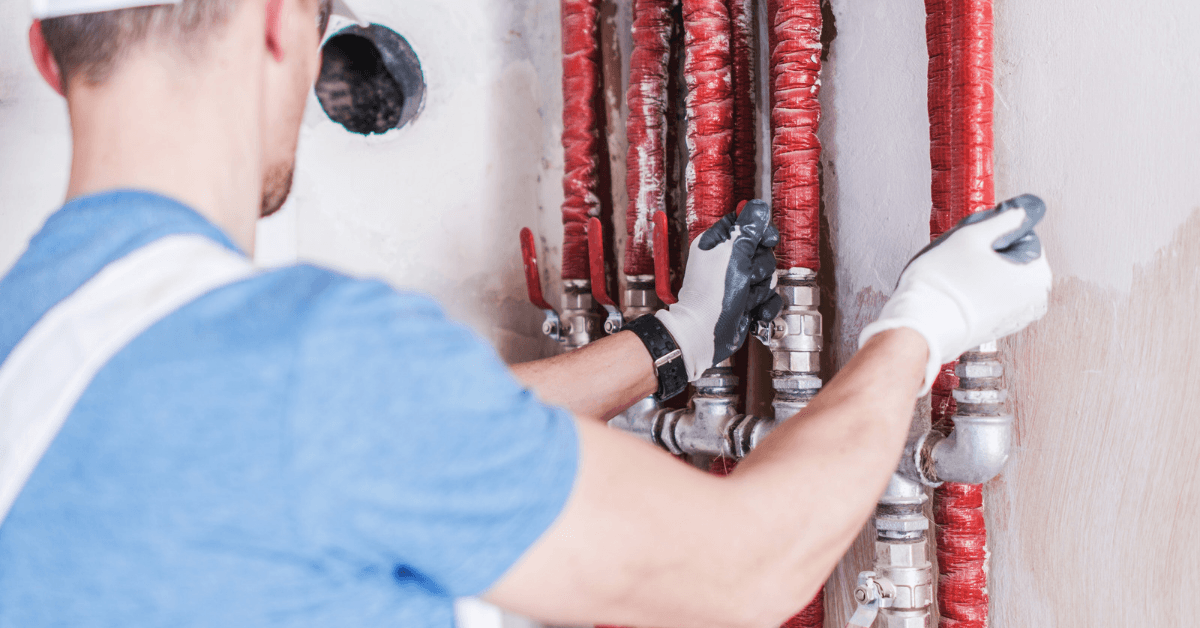
A main isolation valve that has not been opened fully can restrict the amount of water entering your property. This can happen after maintenance or plumbing work. If you can safely identify the main valve, check whether it is fully open, but do not force a valve that is stiff or damaged.
Blocked Aerators
Aerators are small screens fitted to many taps. They can collect sediment or mineral deposits over time, reducing the flow of water. If only one tap is affected, checking and cleaning its aerator may be a simple place to start.
Sediment or Scale
Sediment and mineral deposits can build up inside filters, valves, fixtures and pipework. Over time, these deposits can restrict the passage of water and cause a gradual reduction in flow.
Pipe Restrictions
Old, damaged or poorly sized pipework can restrict water flow. Internal corrosion, deposits and physical damage can all affect how easily water moves through the system. A plumber can assess whether the restriction is within your property’s pipework rather than the incoming supply.
Pressure-Control Problems
Some properties have pressure-reducing or pressure-regulating equipment that controls the pressure entering the home. If this equipment develops a fault or is incorrectly adjusted, it can affect pressure throughout the property.
Measuring the actual pressure can help determine whether the problem is related to the incoming pressure or something restricting the flow further along the system.
A Leak Somewhere In The System
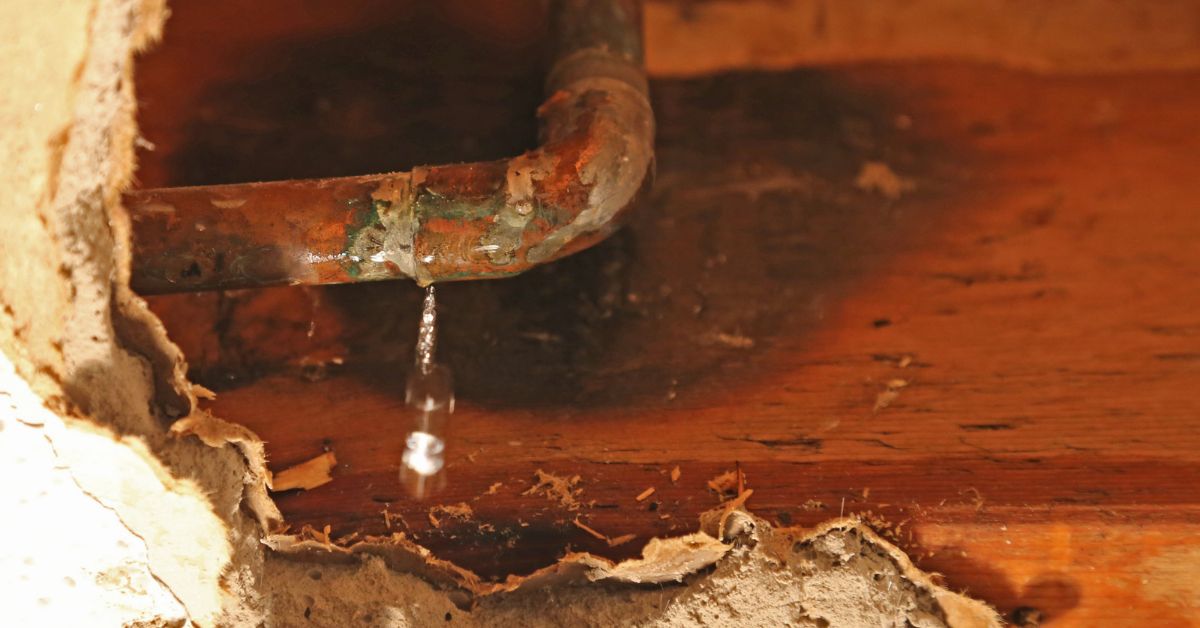
A significant leak can affect the amount of water available to your fixtures. Unexpectedly high water usage, damp areas or the sound of running water when all fixtures are turned off can be warning signs. If you suspect a hidden leak, have the plumbing system checked rather than trying to compensate for the reduced pressure.
Municipal Supply Pressure
Your home’s water pressure can also be affected by the incoming municipal supply. If the city water pressure is lower than usual, your property’s pressure may drop as a result.
If neighbouring properties are experiencing the same problem, the issue may be with the supply rather than your home’s plumbing.
Problems After Plumbing Work
If the pressure changed immediately after plumbing work, the work itself may be relevant. A valve may not have been fully reopened, debris may have entered the system or a component may not have been installed correctly.
Pipe Sizing And Age
Older plumbing systems may have pipework that is no longer suitable for the property’s needs. Pipe size, age and condition can all affect how much water can move through the system, particularly when several fixtures are being used at once.
A professional assessment can help establish whether the issue is caused by the incoming supply, the property’s pipework or a specific restriction.
Water Pressure vs Water Flow: What’s the Difference?
Water pressure and water flow are related, but they are not the same thing. Water pressure is the force that pushes water through your plumbing, while water flow is the amount of water that actually comes out of a tap or moves through a pipe.
This distinction matters when diagnosing a low water pressure in-home problem. A restriction, such as a partially closed valve, blocked filter or sediment build-up, can reduce water flow even when the pressure entering your home is adequate.
So, before looking at how to increase water pressure, it is important to identify whether you need more pressure or whether something is restricting the flow. Increasing pressure with a pump will not necessarily fix a blockage or restriction.

Can You Increase Water Pressure Without a Pump?
Yes, you can increase water pressure without a pump when a restriction or fault is causing the problem. If you are wondering how you can I increase water pressure without a pump, start by identifying and fixing the restriction rather than adding a pump.
A partially closed valve, blocked aerator, clogged filter, damaged component or another restriction can reduce water flow and make it seem as though the water pressure is low. Fixing the underlying issue may restore normal performance without adding a pump.
This is why you should not automatically install equipment to increase water pressure in your home before the system has been assessed. If the incoming water supply itself is consistently inadequate, a booster pump may be considered to provide the additional pressure your plumbing system needs.
When Is a Booster Pump Needed?
A booster pump may be an option when the incoming water supply consistently provides insufficient pressure for your property. However, a pump will not fix a blocked pipe, closed valve, leak or other restriction. If you are looking for a low water pressure fix, have the system assessed by a professional first to establish whether the incoming pressure is genuinely too low and whether a booster pump is appropriate.
Any booster pump installation should also be properly designed and installed in accordance with Cape Town’s Water By-law and applicable plumbing requirements.
Why Did My Water Pressure Suddenly Drop?
A sudden drop in water pressure can be caused by a change in the municipal supply, a plumbing fault or a new restriction in your system.

Common causes include:
- Municipal supply issue: A temporary interruption or drop in supply pressure can affect the water reaching your property.
- Partially closed valve: A valve may have been moved or not fully reopened, particularly after plumbing work.
- Leak: A new leak can reduce the amount of water available to your fixtures.
- Sediment or debris: Material can become lodged in a filter, valve or fixture and restrict the flow.
- New blockage or restriction: A restriction somewhere in the system can make the water pressure feel noticeably lower.
If the change happened shortly after plumbing work, debris may have been disturbed or a valve may not have been fully reopened.
If you have no water pressure in your house at all, check whether every fixture is affected and whether nearby properties have experienced the same change. If the problem is isolated to your property, a plumber can investigate the internal plumbing system.
Why Is the Water Pressure Low After a Plumbing Repair?
If your water pressure dropped immediately after a plumbing repair, the work may have introduced a restriction or left a component in a different position.
A valve may not have been fully reopened after the repair. Debris or sediment may also have been disturbed and moved into a filter, aerator or valve, restricting the flow of water. In some cases, an installation problem or restriction in the repaired section of pipework can affect pressure.
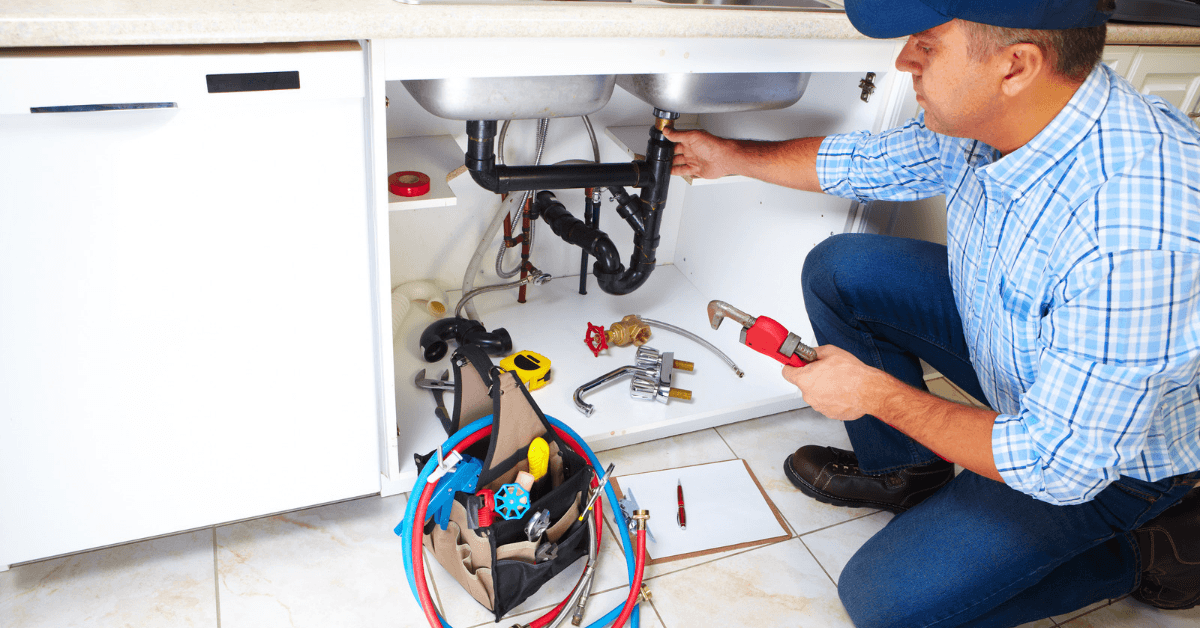
If your pressure was normal before the repair and changed immediately afterwards, let the plumber know when you first noticed the problem. This can help them identify whether the issue is related to the work that was carried out.
Frequently Asked Questions About Household Water Pressure
How can I increase water pressure in my house?
You can increase water pressure in your house by first identifying what is causing the problem. Check for partially closed valves, blocked aerators, restrictions, leaks or problems with the incoming supply. Fixing the underlying issue may restore normal pressure without requiring a booster pump.
How can I tell if the problem is my house or the municipal supply?
If neighbouring properties are experiencing the same drop in pressure, the issue may be with the municipal supply rather than your plumbing. If the problem only affects your property, check for internal restrictions, leaks or valve problems before assuming the incoming supply is at fault.
Why is the water pressure low in only one tap?
The water pressure is usually low in only one tap when the problem is local to that fixture. A blocked aerator, sediment build-up or a restriction in the pipework supplying the tap could reduce the flow. Cleaning the aerator may help, but persistent problems should be professionally assessed.
Why is my water pressure suddenly low?
Your water pressure may suddenly be low because of a municipal supply interruption, a partially closed valve, a leak, sediment or a new blockage or restriction. If the pressure changed after plumbing work, debris or an installation issue could be responsible. A plumber can investigate if the cause is unclear.
Can a leak reduce water pressure?
Yes, a significant leak can reduce the amount of water available to your fixtures and affect pressure or flow. Signs of a leak can include unexpectedly high water usage, damp areas or the sound of running water when your fixtures are turned off. A suspected hidden leak should be investigated promptly.
Can low water pressure damage my plumbing?
Low water pressure itself will not usually damage your plumbing, but a sudden drop can indicate an underlying problem such as a leak, blockage or faulty valve. If the change is unexplained or persistent, have the system checked to identify the cause.
Finding the Right Fix for Low Water Pressure
Low water pressure does not always mean you need a booster pump. A partially closed valve, blocked aerator, sediment, a leak or another restriction could be affecting the flow through your home. Identifying the cause first can help you find the right solution and avoid unnecessary changes to your plumbing.
If you are still asking how can I increase water pressure in my house?, Absolute Plumbing Cape Town can help diagnose the problem and recommend the right solution. Contact our team to arrange a professional assessment.


