
The best bathroom renovation ideas are the ones that solve the problems you notice every day. Maybe the layout feels awkward, storage is limited, the shower is too small, or the room simply no longer works for the way you use it.
This guide looks at practical changes that can improve both the look and function of the space, from layout and storage to showers, lighting, ventilation and water use. The aim is to help you work out which upgrades are worth considering for your own bathroom.
12 Bathroom Renovation Ideas That Will Change How Your Space Looks and Feels
A good bathroom renovation should solve the things that frustrate you about the room now, not just make it look newer. Think about how you use the space every day and where it falls short. That could be the layout, storage, shower, lighting, ventilation or simply how easy the room is to move around in.
These bathroom renovation ideas focus on practical changes that can improve both the way your bathroom looks and how well it works for you.
1. Rethink an Awkward Layout
If the current layout is wasting space, a few targeted changes can make the bathroom much easier to use. You do not always need to move everything. Start with the changes that give you the biggest improvement for the least disruption.
We would recommend considering the following:
- Swap a bulky vanity for a smaller or wall-hung one: This can free up floor space and make the room feel less crowded.
- Change the door swing or use a sliding door: A door that opens into the room can take up valuable space unnecessarily.
- Move one key fixture rather than the whole bathroom: Repositioning just the basin, toilet or shower may be enough to improve the flow.
- Use awkward corners for storage: Built-in shelving or narrow cabinetry can turn unused space into something practical.
- Keep plumbing where it works: If the existing layout is already functional, leaving major plumbing points in place can keep the renovation simpler and more cost-effective.
If a bigger layout change would make the room work significantly better, it can be worth doing, but it is usually best to solve the space problem with the fewest major changes possible.
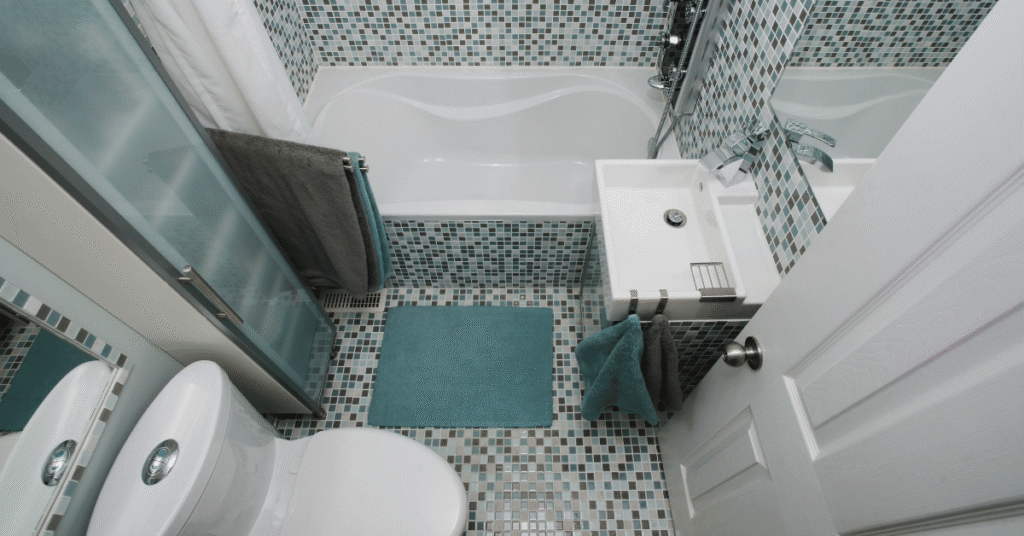
2. Swap an Unused Bath for a Walk-In Shower
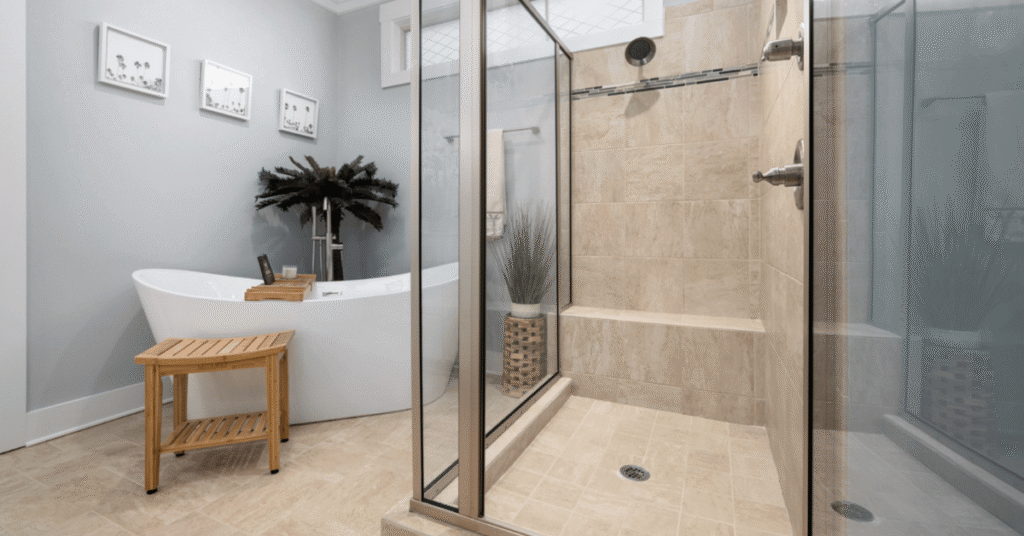
If your bath is taking up a large part of the room but rarely gets used, replacing it with a walk-in shower can give that space a much more practical purpose. It can also make the bathroom feel more open, particularly when you use clear glass rather than a bulky framed enclosure.
To make the change work well, you could consider:
- Use the full width of the old bath area: This can give you a more generous shower without taking additional floor space.
- Add a recessed shower niche: You get storage for toiletries without adding shelves or baskets that protrude into the shower.
- Include a handheld shower as well as a fixed head: It makes rinsing, cleaning the shower and helping children or pets much easier.
- Position the controls within easy reach: You should be able to turn the water on without having to stand directly underneath the shower.
- Plan the drainage properly: The floor needs the correct fall towards the waste so water does not pool or escape into the rest of the bathroom.
- Consider a low-threshold entrance: This creates a cleaner look and can make the shower easier to access.
Before removing the only bath in your home, think about whether your household still needs one, particularly if you have young children or plan to sell in future. If there is another bath elsewhere in the house, converting an underused one into a larger shower can be a very practical renovation choice.
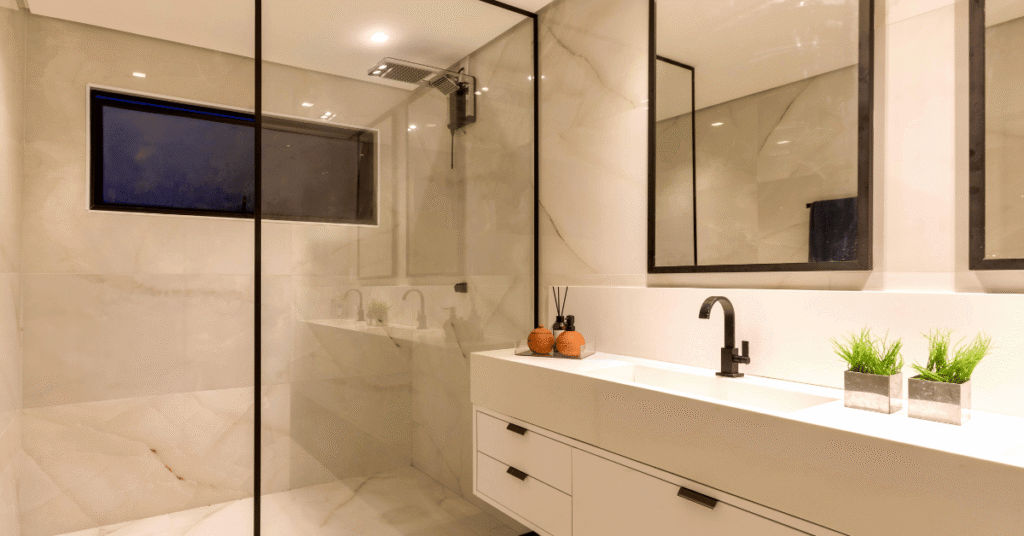
3. Consider Keeping the Plumbing Layout Where It Already Works
You do not need to move every fixture to make a bathroom feel new. If the toilet, basin, shower and bath are already in sensible positions, keeping the main plumbing points where they are can make the renovation simpler and help control costs.
That still leaves plenty of room to change the look and function of the bathroom. You could:
- Replace old sanitaryware: A new toilet, basin or bath can modernise the room without changing the plumbing layout.
- Upgrade the vanity: A better-sized vanity can improve storage and make the bathroom easier to use.
- Change the shower screen or enclosure: Clear glass can make the room feel more open without moving the shower itself.
- Retile the walls and floor: This can completely change the look of the bathroom while leaving the plumbing untouched.
- Update taps and fittings: New tapware, shower fittings and accessories can give the room a more finished look.
- Improve lighting and mirrors: These changes can make the bathroom feel brighter and more spacious without major building work.
Moving a toilet, basin, or shower is worth considering if the current layout is genuinely awkward or wastes space. But if the plumbing already works well, keeping it in place can free up more of your budget for the parts of the renovation you will notice every day.

4. Build Storage Into the Bathroom
Good bathroom storage should make the room easier to use without making it feel more crowded. Instead of adding freestanding cupboards after the renovation is finished, plan storage into the room from the start. Useful options may include:
- Choose vanity drawers over one large cupboard: Drawers make it easier to see and reach everyday items without having to dig through the back of a cabinet.
- Add a recessed shower niche: This keeps shampoo and soap off the floor and avoids bulky corner shelves or hanging caddies.
- Use mirrored cabinets: You get practical storage around the basin without taking up extra floor space.
- Add tall, narrow cabinetry: This works well where floor space is limited but you still need room for towels, toiletries or cleaning products.
- Use space above the toilet carefully: A shallow cabinet or open shelving can add storage without making the room feel boxed in.
- Plan storage around what you use: Keep daily items within easy reach and reserve higher or deeper storage for things you use less often.
The key is to make storage feel like part of the bathroom design rather than something added afterwards. If you know what needs to be stored before the renovation starts, you can choose the right vanity, cabinetry and wall storage for the space.

5. Use a Floating Vanity to Open Up the Room
If your bathroom feels tight, a floating vanity can help create more visual space without sacrificing storage. Because the unit is mounted off the floor, you can see more of the flooring beneath it, which can make the room feel less boxed in.
A floating vanity can also make cleaning easier because there are fewer awkward edges around the base. The main thing is to choose the right size. A vanity that is too deep can still make a small bathroom feel cramped, even if it is wall-mounted.
When choosing a vanity make sure to look at following
- Depth: A shallower vanity can free up more usable floor space in a compact bathroom.
- Storage: Drawers often make better use of the space than one large cupboard.
- Height: Make sure the basin and countertop sit at a comfortable level for everyday use.
- Wall strength: The vanity needs proper support, especially if you are choosing a heavier unit or stone countertop.
:If you are renovating a small bathroom, this is one of those changes that can improve both the look of the room and how easy it is to use.

6. Make the Shower Easier to Use
Some of the best bathroom renovation ideas are the ones that make everyday routines easier. If the shower feels cramped, awkward to clean or poorly laid out, small design changes can make a noticeable difference.
A larger enclosure can help where space allows, while a handheld shower attachment is useful for rinsing, cleaning and helping children. Position the controls where you can reach them without stepping directly under the water, and add a recessed niche or shelf so toiletries stay off the floor.
Drainage is just as important as the fittings. The floor should fall correctly towards the waste, and the shower screen should be positioned to keep water inside the shower area. If access is a concern, a low-threshold or walk-in design can also make the shower easier to use without making the bathroom feel clinical.

7. Make a Dark Bathroom Feel Brighter
If your bathroom feels dark, you do not necessarily need a bigger window or a complete layout change to improve it. A few well-chosen changes can help light travel further through the room and make the space feel more open.
Start with the areas that will have the most impact:
- Use a larger mirror: Positioning a mirror where it can reflect natural or artificial light can make the room feel brighter and more spacious.
- Layer the lighting: Combine general ceiling lighting with task lighting around the vanity rather than relying on one central fitting.
- Choose lighter finishes strategically: Lighter wall tiles, cabinetry or paint can help reflect light, particularly in bathrooms with little natural daylight.
- Use clear shower glass: Frosted or heavily framed screens can visually divide a small room. Clear glass keeps sightlines open and allows light to travel through the space.
You do not have to make the entire bathroom white. Darker colours can still work well as accents, but if the room already struggles with light, use them selectively rather than across large surfaces.
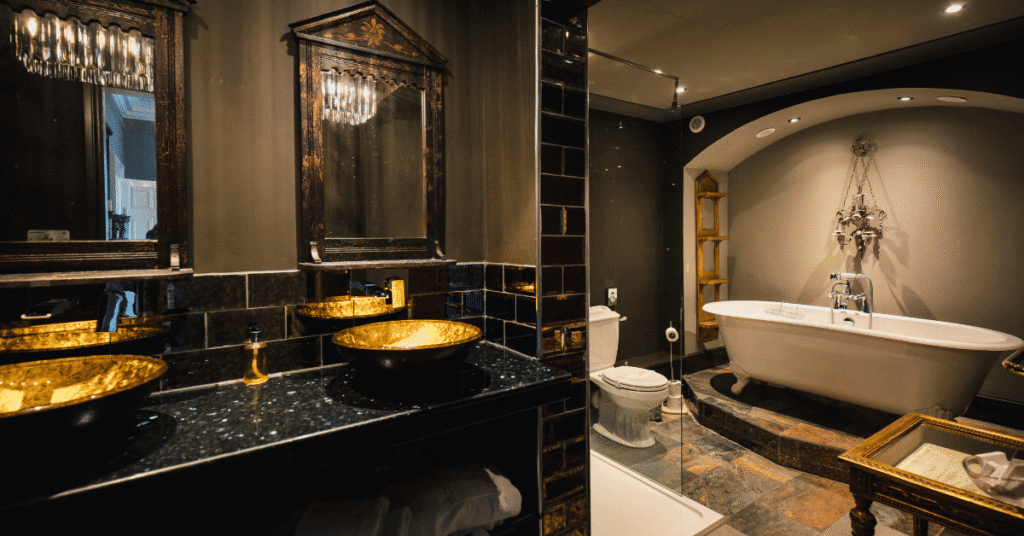
8. Choose Finishes That Are Easier to Keep Clean
A bathroom can look great on day one and still become frustrating if every surface is difficult to maintain. When you are choosing finishes, think about how much cleaning they will need once the renovation is finished.
A few choices can make everyday upkeep much easier:
- Use larger tiles where suitable: Fewer grout lines usually mean fewer places for dirt and mould to build up.
- Choose grout colours carefully: Very light grout can show staining quickly in high-use areas.
- Avoid heavily textured finishes in wet zones: Deep grooves and rough surfaces can be harder to wipe down around showers and basins.
- Keep fittings accessible: Tapware, shower screens and sanitaryware are easier to clean when there are fewer awkward gaps and tight corners.
This is one of those bathroom renovation ideas that is easy to overlook when you are focused on how the room will look. Choosing practical finishes at the start can save you a lot of effort later.

9. Fix Ventilation and Moisture Problems While the Room Is Open
If your bathroom is prone to condensation, damp or mould, a renovation is the right time to deal with the cause rather than simply covering it with new paint or tiles. Once the room is finished, fixing poor ventilation or hidden moisture problems can mean undoing work you have already paid for.
Start by checking whether the room has enough airflow. An appropriately sized extractor fan should remove moist air effectively, particularly in bathrooms without good natural ventilation. Its position also counts: it needs to pull moisture away from the shower or bath area rather than sitting somewhere that does very little.
Before new finishes go in, also investigate any signs of existing moisture damage. Look for:
- Recurring mould or mildew: This may point to poor ventilation, persistent condensation or a leak that needs attention.
- Peeling paint, swollen cabinetry or damaged skirting: These can indicate that moisture has been affecting the room for some time.
- Damp patches that do not disappear: Have these checked before tiling or painting over them, as there may be a plumbing or waterproofing issue behind the surface.
Once the underlying problem has been dealt with, use finishes that are appropriate for a wet environment, such as suitable bathroom paint, waterproofing in required areas and moisture-resistant cabinetry. That way, the renovation fixes the problem rather than simply hiding it.
10. Make a Shared Bathroom Work Better for Everyone
If several people use the same bathroom, the renovation should make busy times easier rather than simply making the room look better. Think about where delays and clutter usually happen, then design around those pressure points.
A few practical changes can help:
- Add a double vanity if there is enough space: This gives two people room to get ready at the same time without crowding one basin.
- Give each person their own storage: Separate drawers, shelves or baskets can stop toiletries from taking over the vanity.
- Add more hooks and towel rails: Make sure there is enough space for everyone’s towels rather than relying on one rail.
- Improve mirror and task lighting: A wider mirror or better lighting around the vanity can make the space more useful when more than one person is getting ready.
- Keep frequently used items within easy reach: Everyday toiletries should be easy to access, while less-used items can go into higher or deeper storage.
If the bathroom is used heavily in the mornings, think about whether the layout allows one person to use the basin while someone else uses the shower. Small changes to storage, lighting and how the room is zoned can make a shared bathroom much less frustrating.

11. Use the Renovation to Reduce Water Use
A bathroom renovation is a good opportunity to cut water use without making the room less comfortable. If you are already replacing taps, toilets or shower fittings, choose more efficient options rather than installing like-for-like replacements.
The biggest opportunities to reduce water usage in your bathroom are usually:
- Fitting a water-efficient showerhead: You can reduce water use without giving up a comfortable shower if you choose a good-quality low-flow model.
- Installing a dual-flush toilet: This gives you more control over how much water is used with each flush.
- Replacing old or dripping taps: Even a small, persistent leak can waste a surprising amount of water over time.
- Checking for hidden leaks while walls and floors are open: It is much easier to repair ageing pipework before new tiles and finishes go in.
- Using water-efficient tapware: Aerated taps can reduce flow while still giving you enough water for washing and everyday use.
If reducing water use is one of your priorities, these are practical bathroom renovation ideas that can make a noticeable difference without changing how the room feels to use.

12. Think About How You’ll Use the Bathroom in Future
If you are already renovating, it is worth making a few choices that can make the bathroom safer and easier to use later without making it look clinical now. Useful bathroom options that will be helpful and safe for seniors include:
- Add grab bars in the shower or next to the toilet: These can provide extra stability and are especially useful for older people or anyone with limited mobility.
- Choose a walk-in or low-threshold shower: This reduces the need to step over a high edge and makes access easier.
- Use non-slip flooring: Especially in wet areas where slips are more likely.
- Consider a shower seat or built-in bench: This can make showering easier for people who struggle to stand for long periods.
- Improve lighting: Good lighting around the shower, toilet and vanity can make the room safer and easier to use.
- Keep storage within easy reach: Avoid relying only on high shelves or deep cupboards that are difficult to access.
If you are not ready to install grab bars now, you can still ask your contractor to reinforce the walls in the right places so they can be added later without having to open the wall again.
Plan Your Bathroom Renovation With Confidence
The best bathroom renovation ideas are the ones that improve the way the room looks, feels and works for you every day. From changing the layout and adding better storage to improving lighting, ventilation, water efficiency and accessibility, the right updates can make a noticeable difference to the finished space.
If you are planning a bathroom renovation in Cape Town, Absolute Plumbing can help with the plumbing, layout changes, fixture installation and the wider renovation work needed to bring your plans together. Take a look at our bathroom renovations in Cape Town page or contact us to discuss your project and request a quote.


