
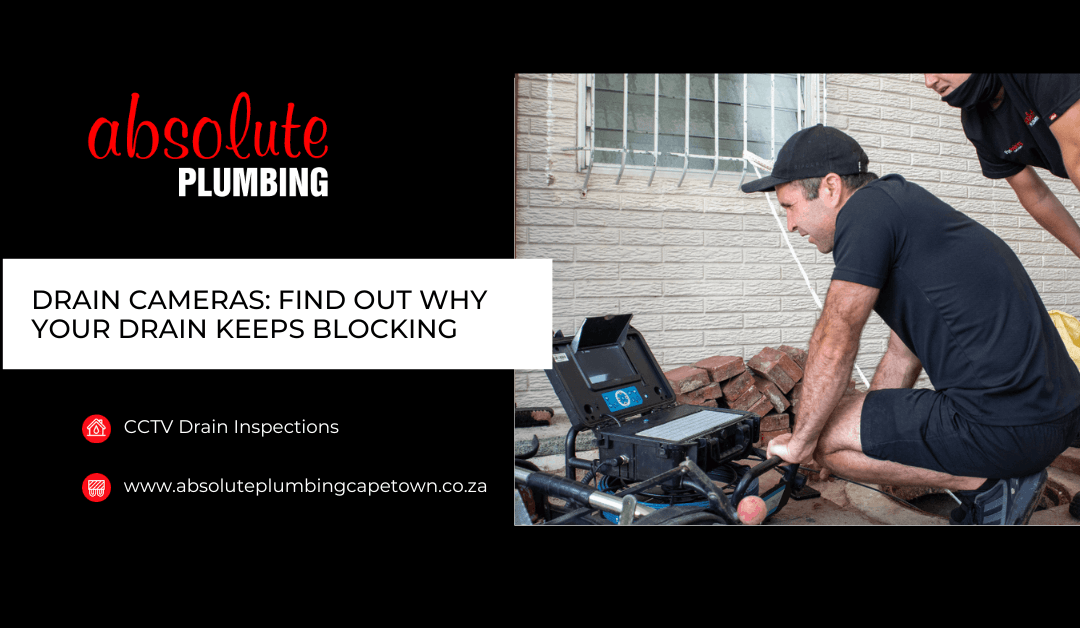
If your drain starts flowing again after it has been plunged, chemically treated or professionally cleared but soon blocks again, the immediate obstruction may only have been part of the problem. Material may still be inside the pipe, or an underlying defect may be causing waste to collect in the same place repeatedly. Drain cameras allow a plumber to inspect the inside of the line and identify what is restricting the flow.
This is the key distinction that often gets overlooked. Drain cleaning is used to remove the obstruction and restore flow, while a drain camera inspection helps determine why the blockage formed and whether it is likely to return. The camera itself does not clear or repair the drain. It provides visual evidence that helps guide the most appropriate next step, whether that involves further cleaning, repair, monitoring or another investigation.
Why Does Your Drain Keep Blocking After It Has Been Cleared?
A drain can appear to be working normally even though the underlying problem has not been resolved. In many cases, water begins flowing through a small opening in the obstruction, but material remains attached to the pipe walls or trapped around a defect. As more waste passes through the line, the restriction gradually builds up again until the blockage returns.

In some cases, a small channel opens through the obstruction, allowing water to pass temporarily while grease, sediment, wipes or other material remains around it and continues narrowing the pipe. Discover other common reasons a drain continues blocking after it has already been cleared below:
The Blockage Was Only Partly Removed
Plunging, snaking, chemical cleaners, or limited cleaning can sometimes restore enough flow for the drain to appear clear without removing the full obstruction. Grease, scale, sediment, wipes, paper or other debris may still be narrowing the pipe and catching additional waste.
This is one of the most common reasons a recurring drain blockage develops. The usable internal diameter of the pipe may remain significantly reduced even though water is temporarily passing through it. As more material collects on the remaining build-up, the drain can block again within days or weeks.
The Same Material Keeps Entering The Drain
Repeated blockages are not always caused by damaged pipes. Cooking grease, food waste, wet wipes, sanitary products, excessive toilet paper, hair, soap residue, building debris and other unsuitable materials can repeatedly create the same obstruction.
An inspection may show that the pipe is structurally sound but consistently affected by what is entering it. In that situation, the solution may involve changing usage habits and completing a thorough clean rather than repairing the pipe itself. Understanding this distinction is important because unnecessary repair work will not prevent the problem from returning if the same material continues entering the drain.
A Defect Inside The Pipe Is Catching Waste
Cracks, displaced joints, rough repair edges and misaligned pipe sections can create points where waste repeatedly catches. Cleaning may remove the accumulated material without correcting the defect that caused it to collect in the first place.
As waste flows through the line, it can snag on the uneven edge, gradually building up until the same section blocks again. This is often why a blocked drain keeps coming back in exactly the same location even after several cleaning attempts.
The Pipe Is Not Allowing Waste To Flow Away Properly
A sagging section, inadequate fall, deformation or partial collapse can prevent water and solids from moving away efficiently. The drain may continue operating at a reduced capacity, but material gradually settles in the low section until the flow becomes restricted again.
Standing water visible during an inspection does not automatically prove that the pipe was installed incorrectly. The extent of the retained water, the length of the affected section and the overall drainage conditions all need to be interpreted carefully before drawing conclusions.
Tree Roots Are Entering The Drain
Tree roots usually enter through an existing crack, opening or damaged joint. Cutting the roots may restore the flow temporarily, but the blockage can return if root material remains, the roots grow back, the entry point stays open, or the damaged section continues trapping waste.
Nearby trees do not automatically prove that roots are responsible. A CCTV drain inspection is used to confirm whether roots are present and to identify where they are entering the pipe. When a drain repeatedly blocks in the same area, that recurring pattern is often what makes a proper diagnosis worthwhile.
How Do Drain Cameras Identify The Cause?
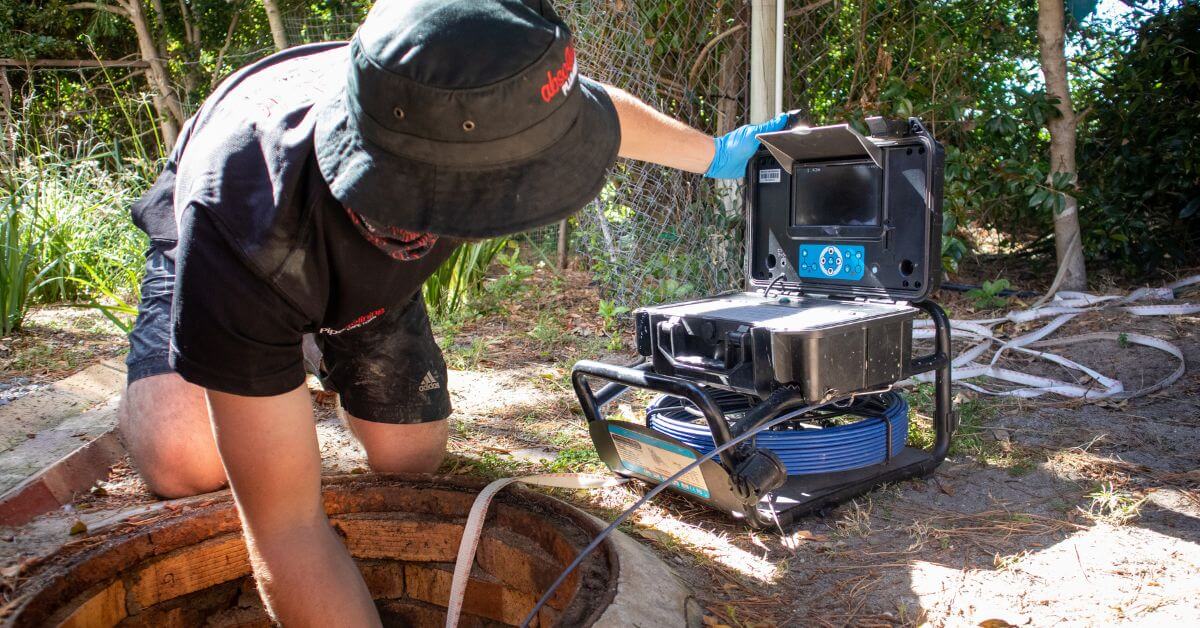
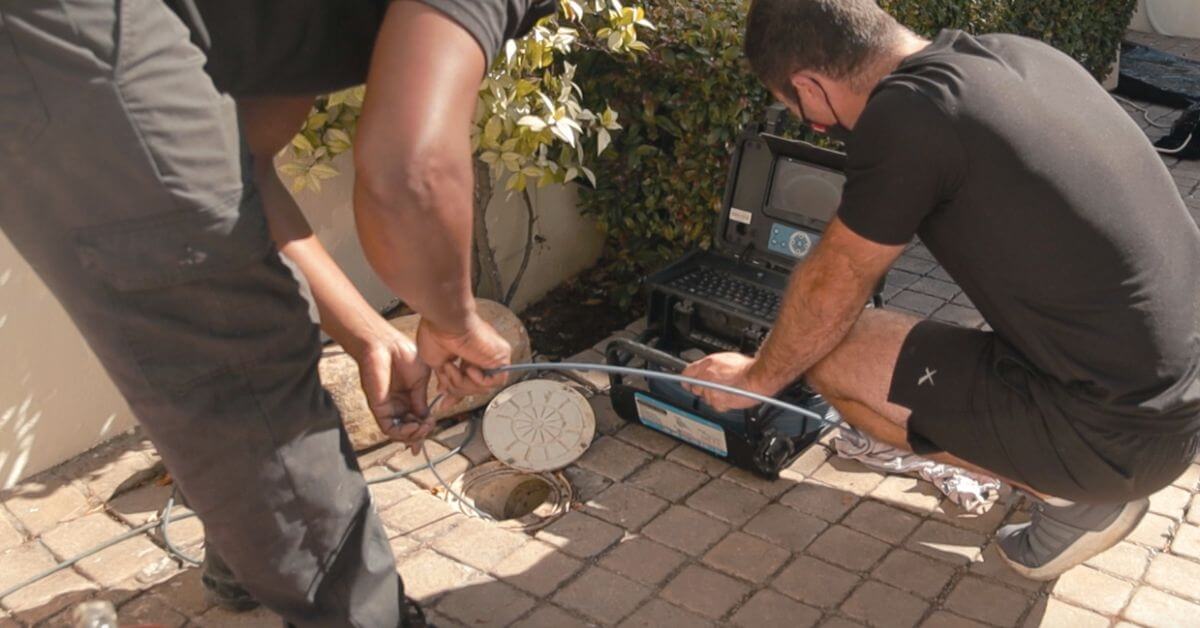
Drain cameras are waterproof inspection cameras attached to a flexible cable or push rod. They allow a plumber to view the inside of an accessible drain or sewer pipe on a monitor so the condition of the line can be assessed directly rather than guessed from symptoms alone.
The Plumber Identifies A Suitable Access Point
The camera may enter through an inspection eye, rodding point or another suitable access point. The available access affects which section can be inspected, the direction the camera can travel, how far it can move and whether bends or junctions can be passed.
Because drainage systems vary, it is not always possible to inspect every section of pipework during a single visit. The inspection focuses on the accessible sections that are most relevant to the reported problem.
In some situations, the available access point may not allow the camera to reach the full affected section of the drainage system.
The Drain May Need To Be Cleared First
A completely blocked, heavily coated or water-filled pipe may not provide useful footage. The plumber may first need to restore enough flow or remove enough material to allow the camera to pass through the line and reveal the pipe walls.
Depending on the situation, the camera may be used before cleaning to help locate an accessible obstruction, after cleaning to inspect the underlying pipe condition, or before and after a repair to document the result. The drain does not always need to be perfectly clean before any inspection can begin.
The Footage Is Interpreted, Not Merely Viewed
Seeing an image is only one part of a CCTV pipe inspection. The plumber must interpret what appears on the screen, including the type of obstruction or defect, whether it is likely to restrict the flow, whether the problem appears localised or widespread, whether cleaning is likely to resolve it, whether repair may be necessary and whether further testing is required.
A dark line, rough patch or pool of water should not automatically be treated as proof of a serious failure without considering the pipe layout and the inspection conditions.
What Can Drain Cameras Reveal Inside The Pipe?
One of the main advantages of drain cameras is that they allow the inside of the pipe to be examined directly. The footage can help identify whether the problem is caused by removable build-up, roots, structural damage, deformation or another obstruction, although the significance of what is seen still needs to be interpreted carefully.
Grease, Scale, Soap And Sediment Build-Up
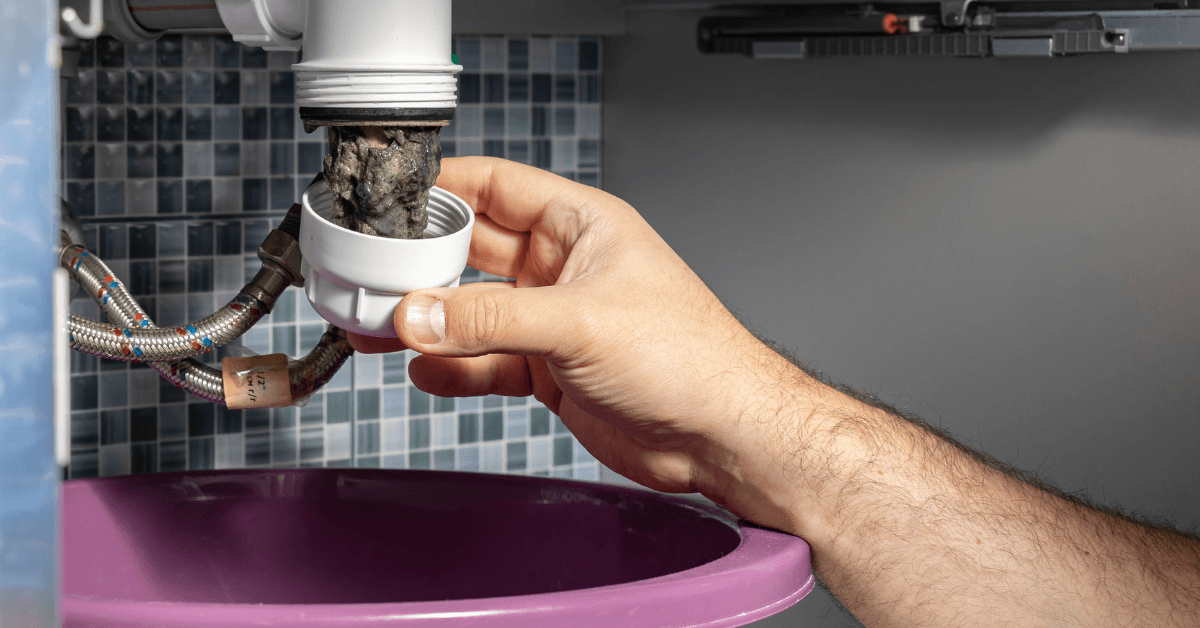
Deposits can gradually coat the walls of the pipe and reduce the available flow path. The footage may show thick material attached to the pipe walls, a narrowed internal opening, deposits collecting around bends or low points, or material remaining after an initial cleaning attempt.
Where appropriate, further mechanical cleaning or high-pressure drain cleaning may be considered to remove the remaining build-up. The suitability of that method depends on the pipe material, its condition and the nature of the obstruction.
Roots Entering Through A Crack Or Joint
The footage may show fine root strands, a dense root mass, roots entering at a specific joint, waste caught around the roots or damage surrounding the entry point. This can help confirm whether tree roots in the drain pipe are contributing to the recurring blockage.
Removing the roots may restore the flow, but it does not necessarily resolve the defect that allowed them to enter. Depending on the condition of the pipe, the next step may involve further cleaning, localised repair, monitoring or another remedial option.
Cracked, Displaced Or Misaligned Pipes
The camera may reveal cracks or fractures, a visible gap between pipe sections, a raised or displaced joint, a step in the pipe, a rough previous repair, soil or water entering through an opening, or waste catching on an uneven edge.
A cracked drain pipe does not always require the same repair approach. The significance depends on the pipe material, the size and location of the defect, whether the pipe has moved, whether the flow is restricted and whether the structure remains stable. A visible line on the footage should not automatically be classified as a structural failure without sufficient context.
Standing Water Or A Sagging Section
A low or sagging section can retain water and solids instead of allowing them to flow away freely. The footage may show the camera entering standing water and emerging again further along the line, which can indicate a low section or another drainage issue that requires further assessment.
Some visible water does not automatically prove a drainage fault. The plumber must consider the pipe layout, the amount of retained water, the length of the affected section, whether waste is accumulating there and whether the condition is contributing to repeated blockages. A significant sagging section or incorrect gradient may eventually require excavation and correction.
A Partial Or Complete Collapse
A partially collapsed, crushed or deformed pipe can narrow the available flow path and repeatedly trap waste. In more severe cases, the camera may be unable to travel beyond the damaged area.
Even when a complete collapse prevents further inspection, the footage can still help establish the approximate location of the damage, the condition of the pipe leading up to it, whether the line is partly or fully obstructed and whether targeted excavation is likely to be necessary.
Foreign Objects And Building Debris
Drains can also become obstructed by wipes, toys, household objects, construction rubble, grout, cement, tile adhesive, excess paper or other items that should not be inside the line.
The camera can help distinguish a foreign object from grease, roots, sediment or structural damage. The appropriate next step depends on the type of object, its location and whether it can be retrieved safely without damaging the pipe.
When Is A Drain Camera Inspection Worthwhile?
A drain camera inspection is most useful when the cause, location or extent of a drainage problem cannot be established confidently through cleaning alone. It is particularly valuable when the symptoms suggest that the underlying issue may still be present after the drain has been cleared.
The Same Drain Has Blocked More Than Once
Repeated blockages suggest that the original obstruction may not have been fully removed, the same unsuitable material may keep entering the drain, or an underlying pipe condition may be trapping waste repeatedly.
This is often the clearest indication that further investigation is more useful than repeatedly treating the same symptoms without identifying the cause.
The Drain Works Temporarily And Then Slows Down Again
A slow-draining pipe that improves temporarily and then becomes sluggish again may indicate that a small channel has opened through the obstruction while build-up or damage remains inside the line.
A camera inspection can help determine whether the pipe is still narrowed or whether waste is collecting at a joint, low point or damaged section that continues restricting the flow.
Several Fixtures Are Affected
When toilets, basins, showers or floor drains back up together, the problem may be located in a shared branch or main drain rather than in a single fixture connection.
An inspection may help identify where the restriction lies, provided there is suitable access to the relevant section of the drainage system. The affected fixtures alone do not provide a definitive diagnosis, but they can indicate that a broader investigation is worthwhile.
Roots Or Pipe Damage Are Suspected
An inspection may be appropriate where root material has been removed previously, large trees are located near the drain route, the pipework is older, the blockage keeps returning, the flow deteriorates gradually, or a plumber suspects cracking, movement or collapse.
These signs justify further investigation, but they do not prove the cause until the pipe has been inspected directly.
A Major Repair Has Been Recommended
Camera footage can provide useful evidence before excavation, pipe replacement, localised repair, root removal or pipe relining is considered.
The inspection helps show what defect has been identified, where it is located and why the proposed repair may be appropriate. This can help reduce uncertainty before more invasive work is authorised.
You Are Buying A Property Or Planning Building Work
A camera inspection may provide useful information where the property is older, established trees are present near the drainage route, previous drain problems have been reported, extensions or alterations have been completed, the drain layout is unclear or major construction is planned near existing drainage.
This is an additional investigation that may be useful in certain circumstances rather than a requirement for every property purchase.
What Happens After The Drain Camera Inspection?
The purpose of the inspection is not simply to produce footage. It should help determine whether the problem requires cleaning, repair, monitoring or another course of action based on what was actually found inside the pipe.
Further Cleaning
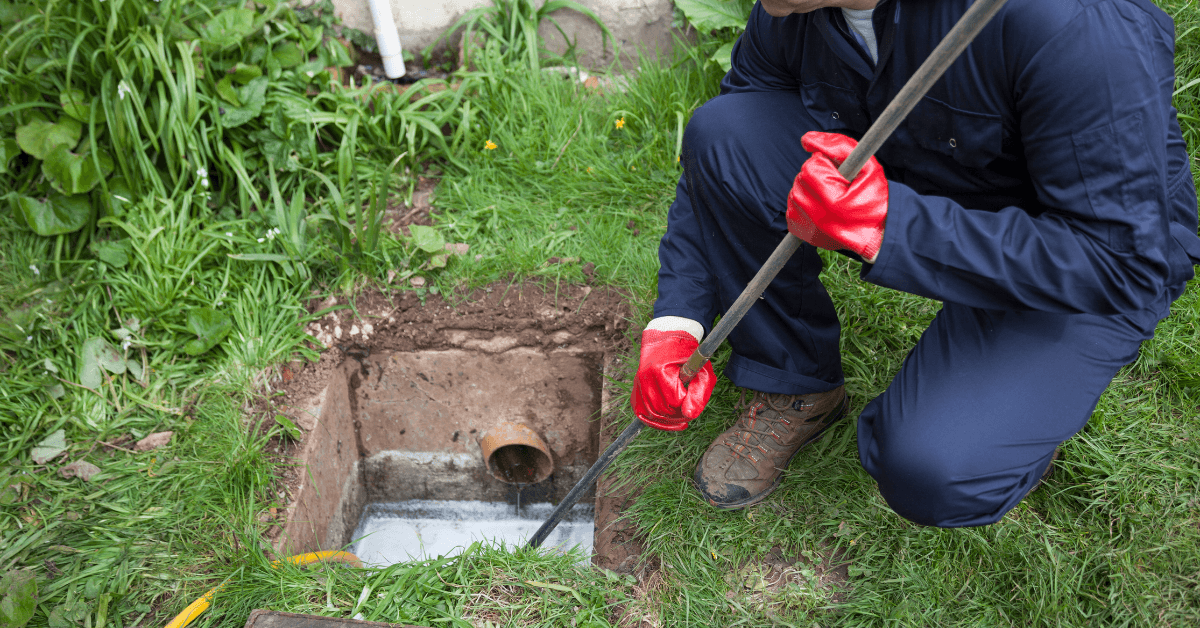
Further cleaning may be recommended where the pipe appears structurally serviceable but remains restricted by removable material. The cleaning method should be selected according to the type of obstruction, the pipe material, the condition of the pipe, the location of the build-up and whether roots or foreign objects are present.
Root Removal And Repair Of The Entry Point
Removing roots may restore the flow, but the opening through which they entered may remain. Where roots are entering through a crack, failed joint or damaged section, further repair may be recommended to reduce the likelihood of the problem returning.
Localised Repair Or Pipe Relining
A targeted repair may be considered where the damage affects a specific section of pipe rather than the entire line. Pipe relining may be considered where the pipe remains structurally suitable, adequate access is available, the line can be cleaned and prepared properly, the pipe has not collapsed or become severely deformed, and bends or junctions do not prevent the repair from being carried out successfully.
Not every damaged pipe is suitable for relining, and the decision depends on the specific condition of the line.
Excavation And Replacement
Excavation may still be necessary where the pipe is fully collapsed, severely displaced or deformed, has a significant fall or alignment problem that cannot be corrected internally, is inaccessible or is otherwise unsuitable for an internal repair.
Even in those cases, the camera inspection can help locate the affected section more accurately so that excavation can be focused on the area that actually requires attention.
No Immediate Repair
Not every inspection leads to repair work. Where no significant defect is identified, the recommendation may be to monitor the drain, change what enters the system, schedule maintenance cleaning, investigate another part of the plumbing or keep the footage for future comparison.
This is an important outcome because it helps avoid unnecessary work when the inspection does not identify a defect that requires immediate repair.
What Should You Expect From The Findings?
After the inspection, you should receive more than unexplained footage on a screen. You should understand which section was inspected, what was found, where the problem is located, whether the pipe is blocked, damaged or both, whether the full affected section was visible, whether the blockage is likely to return, what could not be confirmed, what action is recommended, why that recommendation is considered appropriate, and whether further testing is required.
If the inspection leads to a recommendation for major excavation, pipe replacement or another costly repair, ask to see the relevant footage and have the plumber explain exactly what it shows and why the proposed work is necessary. Where the findings are unclear or the recommended work is substantial, getting a second professional opinion can also help you make a more informed decision.
Useful questions to ask include:
- What can you see on the footage, and what does it mean?
- Where exactly is the blockage or damage?
- Is this an obstruction, pipe damage or both?
- Does the problem affect one section of pipe or a larger part of the line?
- Is another cleaning attempt likely to solve the problem?
- Is a repair necessary, or are there other reasonable options?
- Is the blockage likely to return if no further work is done?
- Will any part of the pipe need to be dug up?
- Could the affected section be suitable for relining?
- Was any part of the drain inaccessible or unclear on the footage?
Inspection Report And Footage
The information supplied after an inspection may vary according to the agreed service. Depending on the scope of work, you may receive verbal findings, recorded footage, still images, approximate distances to defects, a written summary, a detailed condition report, repair recommendations or location markings.
If formal documentation is required for a property purchase, insurance claim, body corporate matter, contractor dispute or planned repair, it is worth confirming in advance exactly what is included in the inspection service.
Arrange A Drain Camera Inspection In Cape Town
If you’re experiencing a blocked drain after it has been cleared, the obstruction may only be part of the problem. Absolute Plumbing Cape Town can investigate recurring blockages, drains that become slow again after cleaning, suspected root intrusion, possible pipe damage, problems following building work, drain condition before repair or relining, and concerns raised before purchasing a property. The goal is to identify the cause rather than repeatedly treating the symptom, provide visual evidence from inside the pipe, locate the affected section as accurately as possible and recommend the most appropriate next step.
If your drain keeps blocking after it has been cleared, the obstruction may only be part of the problem. Contact Absolute Plumbing Cape Town to inspect the pipe, identify the cause and determine the most appropriate next step.
Frequently Asked Questions About Drain Cameras
Why Does My Drain Keep Blocking After It Has Been Cleared?
The original obstruction may not have been completely removed, the same material may continue entering the drain, or the pipe may contain roots, damaged joints, poor alignment, a sagging section or another defect that repeatedly traps waste. Water may begin flowing again through a small opening in the blockage, creating the impression that the problem has been solved when build-up or pipe damage is still present inside the line.
Will A Drain Camera Show Why My Drain Keeps Blocking?
Yes, a drain camera can often identify many visible causes of a recurring blockage where the affected section is accessible. The footage may reveal grease or sediment build-up, roots, cracks, displaced joints, standing water, deformation or foreign objects inside the pipe. However, what can be confirmed depends on whether the camera can reach the relevant section and whether visibility is clear enough to assess the pipe walls properly. A camera inspection provides useful evidence, but the findings still need to be interpreted in context.
What Is A Drain Camera?
A drain camera is a waterproof inspection camera attached to a flexible cable or push rod that allows a plumber to inspect the inside of an accessible drain or sewer pipe. The camera transmits live footage to a monitor so blockages, build-up, roots, cracks and other visible defects can be assessed without immediately excavating the pipe. It is primarily a diagnostic tool that helps determine the condition of the drain and guide decisions about cleaning, repair, monitoring or further investigation.
Does the Drain Need to Be Cleared Before a Camera Inspection?
It depends on the type and severity of the obstruction. A preliminary inspection may sometimes help locate the blockage before cleaning begins, especially if the camera can reach an accessible section of the line. However, where the pipe is completely blocked, heavily coated with debris or filled with water, some cleaning may be needed first so that the pipe walls and the section beyond the obstruction can be inspected properly. The required sequence depends on the condition of the drain and the purpose of the inspection.
Why Does Drain Cleaner Only Work Temporarily?
Drain cleaner may work temporarily because it can dissolve some material or create a small flow path through the obstruction without removing the entire blockage. Grease, sediment, roots, cracks, poor alignment or a partially collapsed section can continue restricting the flow even after the cleaner has been used. The drain may therefore appear to improve for a short period before the blockage returns. Chemical drain cleaners should also never be mixed, as combining different products can create dangerous fumes and increase the risk of injury.
Can Drain Cameras See Tree Roots?
Yes, drain cameras can usually see tree roots where the camera can reach the affected section and visibility is clear enough to assess the pipe walls properly. The footage may show fine root strands, a dense root mass or roots entering through a specific crack, joint or damaged section of pipe. This can help confirm whether roots are contributing to the blockage and may also help identify the opening through which they are entering, which is important when considering further cleaning or repair work.
Can A Drain Camera Detect A Collapsed Pipe?
Yes, a drain camera can often detect signs of a collapsed pipe. The footage may reveal narrowing, crushing, deformation or a point where the camera cannot travel any further, which can indicate a partial or complete collapse. A complete collapse may prevent inspection beyond the damaged section, so the full extent of the pipe cannot always be viewed directly. Even in those situations, the inspection can still help identify the approximate location of the damage and assist with planning further repair or excavation work.
Can A Drain Camera Prevent Unnecessary Digging?
Yes, a drain camera can often help reduce unnecessary digging by identifying the location and nature of the blockage or defect before excavation begins. This can make it possible to focus repair work on the affected section rather than carrying out exploratory excavation across a larger area.
However, digging may still be necessary where the pipe is collapsed, badly displaced, has a significant fall or alignment problem that cannot be corrected internally, or is otherwise unsuitable for an internal repair.
Can A Drain Camera Tell Whether Pipe Relining Is Possible?
Yes, the footage can provide important information about the pipe’s condition and the type of defect present. A camera inspection may show whether the pipe appears structurally suitable for further assessment for relining, but it is not the only factor considered. The final decision also depends on the pipe diameter, material, available access, bends, junctions, deformation and whether the line can be cleaned and prepared properly for the relining process. The inspection supports the assessment rather than guaranteeing that relining is possible.
Do You Receive A Report After A CCTV Drain Inspection?
Yes. Absolute Plumbing Cape Town can send you the CCTV footage from the inspection, and a free inspection report can be provided if needed. If you require specific documentation for a property purchase, insurance claim, body corporate matter or planned repair, confirm what you need when booking so the appropriate information can be included.
Is A Drain Camera Necessary For Every Blockage?
No, a drain camera is not necessary for every blockage. A straightforward, once-off blockage can often be resolved through plunging, snaking or professional drain cleaning without further investigation. Paying for an inspection becomes more worthwhile when repeated clearing has not solved the problem or when you need to understand why it keeps returning. An inspection is also useful when the cause is uncertain, the drain remains slow after cleaning, multiple fixtures are affected, or structural issues such as roots, cracking, displacement or collapse are suspected. In those situations, a camera can help determine whether the problem is simply a blockage or a sign of an underlying pipe condition.


