

In the bustling city of Cape Town, industrial plumbing is the backbone of many critical operations, from factories and manufacturing plants to large commercial properties. The complexity of these systems requires plumbers with extensive training, certifications, and a deep understanding of industrial environments.
In this guide, we’ll dive into the key differences between commercial and industrial plumbing, the importance of qualified plumbers, and the unique challenges these industrial plumbing settings can bring. Whether managing a large facility or planning a new industrial project, understanding the ins and outs of industrial plumbing is crucial to ensuring smooth and efficient operations.
What’s the Difference Between Commercial and Industrial Plumbing?
When discussing plumbing, it’s essential to understand the distinction between commercial and industrial plumbing as both fields deal with non-residential properties, but their scopes and complexities differ significantly.
Commercial Plumbing
Commercial plumbing involves plumbing systems in business establishments like offices, restaurants, and retail stores, and the primary focus is on ensuring that these systems are efficient and compliant with local regulations. This often includes the installation of fixtures, such as sinks and toilets, and ongoing maintenance.

Commercial plumbers often work on a smaller scale than their industrial counterparts, dealing with issues like clogged drains, leaky taps, and general maintenance. While smaller in scope, these tasks still require a thorough understanding of plumbing systems and local codes. Ensuring that all plumbing work complies with health and safety standards is crucial in commercial settings.
In addition to routine maintenance, commercial plumbers may also be involved in renovating and retrofitting older buildings. This can include updating outdated plumbing systems to meet current standards and improving water efficiency. These projects often require coordination with other trades and careful planning to minimise disruption to business operations.
Industrial Plumbing
Industrial plumbing, on the other hand, is far more complex and demanding. It involves installing, maintaining, and repairing plumbing systems in large-scale facilities such as factories, chemical plants, and refineries. These environments often require heavy-duty materials and components that can withstand high pressure and harsh conditions.
In industrial settings, the stakes are higher, and the potential consequences of a plumbing failure can be severe. Industrial plumbers must be able to diagnose and address complex issues quickly to prevent costly downtime and ensure the facility’s safety. This often involves working in challenging conditions, such as confined spaces or at great heights, requiring specialised training and equipment.

Industrial plumbing projects frequently involve collaboration with engineers, architects, and other professionals to ensure that all systems are integrated seamlessly into the overall infrastructure. This multidisciplinary approach is crucial for the successful completion of large-scale industrial projects.
The Importance of Qualified Plumbers in Industrial Plumbing Settings
Hiring a qualified plumber, such as those at Absolute Plumbing Cape Town, for industrial projects is necessary because the skills and knowledge required to handle industrial plumbing systems go beyond what a typical residential or commercial plumber might possess.
Plumbing Certification in South Africa
In South Africa, plumbers must obtain specific certifications to work on plumbing projects, and they must often engage in ongoing professional development to stay current with industry advancements and regulatory changes. This commitment to continuous learning ensures that certified plumbers are always equipped with the latest knowledge and skills and are well-versed in local building codes, safety regulations, and best practices.

These certifications ensure that they have the necessary skills and knowledge to handle the complexities of industrial plumbing. The certification process typically involves a combination of formal education, hands-on training, and rigorous examinations.
Qualified plumbers are trained to understand the unique demands of industrial environments, including handling hazardous materials and operating high-pressure systems. This specialised training ensures that industrial plumbing systems are installed and maintained to the highest standards. Without having obtained a proper plumbing certificate in South Africa, plumbers may be ill-equipped to deal with the specific challenges presented by industrial projects.
The Role of the Plumbing Industry Registration Board (PIRB)
The Plumbing Industry Registration Board (PIRB) certificate is another crucial credential for plumbers in South Africa. The PIRB is a professional body that oversees the plumbing industry and ensures that all plumbers adhere to high standards of practice. A PIRB certificate indicates that a plumber is registered with the PIRB and meets the necessary qualifications and experience.
PIRB Registration
PIRB registration is mandatory for all plumbers in South Africa, including those specialising in industrial plumbing and this registration process involves verifying a plumber’s qualifications, experience, and adherence to industry standards. The PIRB also conducts regular audits and inspections to ensure ongoing compliance.
The registration process is designed to uphold the integrity of the plumbing profession and protect public and environmental safety. By ensuring that only qualified and competent plumbers are registered, the PIRB helps to maintain high standards across the industry. This is particularly important in industrial settings, where the complexity and risks associated with plumbing work are higher.
Plumbing Certification and CoC
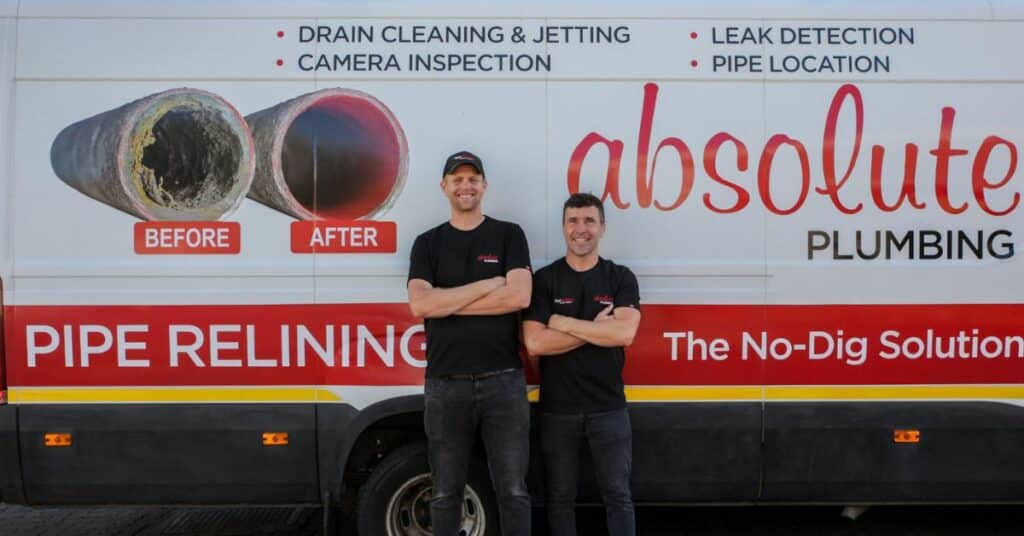
A Certificate of Compliance (CoC) is a document issued by a PIRB-registered plumber to certify that plumbing work has been completed in accordance with industry standards and regulations. In industrial settings, a plumbing CoC is essential for ensuring facility managers, regulatory bodies, and other stakeholders that all plumbing systems are safe, efficient, and compliant with local laws because the failure of a plumbing system in these industries can have serious consequences.
By requiring plumbers to certify their work, the PIRB also encourages adherence to best practices and discourages any shortcuts or substandard workmanship. This helps to maintain the overall quality and reliability of plumbing systems in industrial plumbing settings.
Three Common Challenges of Industrial Plumbing
Cape Town’s unique environment presents specific challenges for industrial plumbers. From fluctuating water pressures to dealing with hazardous materials, plumbers handling industrial plumbing jobs in Cape Town must be equipped to handle various complex issues. Here are three common challenges that industrial plumbing can bring:
1. Industrial Plumbing Pipe Installation
One of the critical aspects of industrial plumbing is pipe installation and repair. Unlike residential or commercial plumbing, industrial pipe installation often involves large-diameter pipes that can handle high-pressure environments. These pipes could transport various substances, including water, gas, and chemicals.
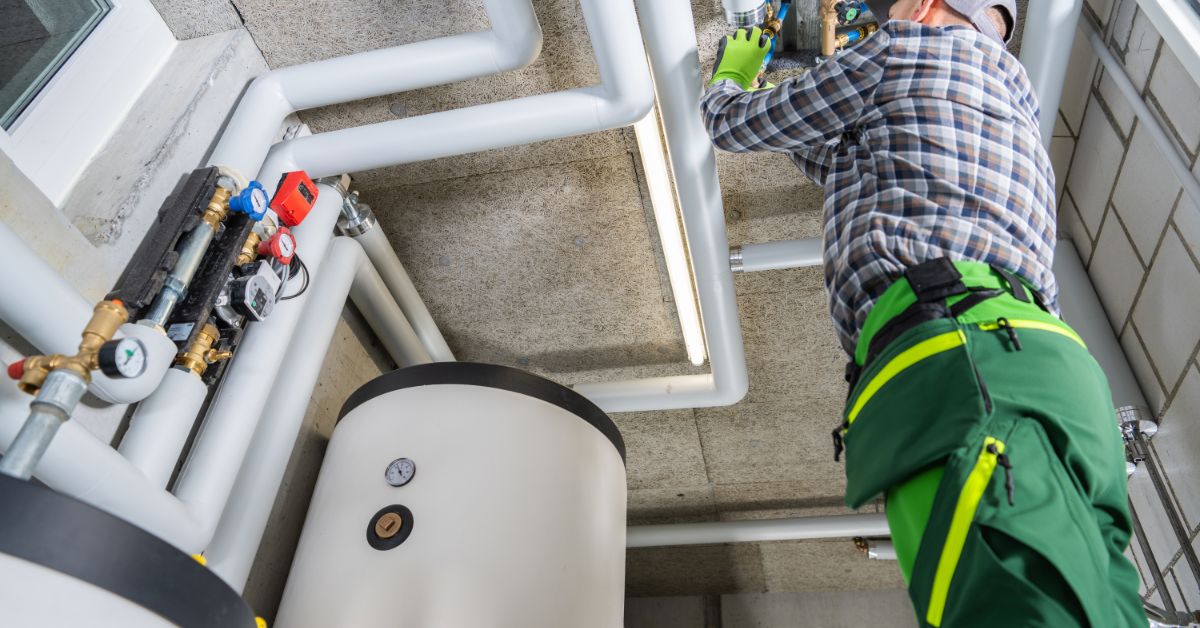
Industrial plumbers must also consider the specific requirements of the substances being transported. For example, pipes that carry hazardous chemicals must be made of materials resistant to corrosion and chemical damage. This requires a deep understanding of material properties and compatibility and adherence to industry standards and regulations.
2. Industrial Plumbing Maintenance and Repair
Regular maintenance and timely repairs are crucial to prevent costly downtime and ensure the safety of the facility. Industrial plumbers must be skilled in diagnosing and fixing issues quickly and efficiently with advanced tools such as CCTV drain camera inspection equipment, often working in challenging conditions.
This proactive approach helps to extend the lifespan of plumbing systems and minimise the risk of unexpected failures. Maintenance tasks can include repairing, cleaning pipes, checking for leaks, and ensuring all components function correctly.
3. Safety Protocols
Safety is paramount in industrial plumbing. Plumbers must adhere to strict safety protocols to protect themselves and others from potential hazards when performing plumbing services. This includes wearing appropriate personal protective equipment (PPE), following safety guidelines, and staying updated on the latest industry standards. This includes procedures for working in confined spaces, handling hazardous materials, and operating heavy equipment. Regular safety training and drills help to reinforce these guidelines and ensure that all plumbers are prepared to respond to emergencies.
Absolute Plumbing Cape Town – Your Plumbers of Choice
At Absolute Plumbing Cape Town, we pride ourselves on being able to handle any plumbing situation – large or small. Our team of plumbers is registered with PIRB and IPA, and we can issue Certificates of Compliance should you require them.To enquire about our competent and friendly professional plumbing services, or if you have any questions about industrial plumbing, please call us on 084 872 2758 or contact us via our website. Our quotes are free!


