
If you are comparing plumbing quotes, you may be wondering “how much does a plumber cost” and what is included in the final price. A plumber price in Cape Town can vary depending on the type of work, labour required, materials, equipment and whether you are charged a call-out fee or an hourly rate.
Understanding how plumber prices are calculated can help you compare quotes, know what you are paying for and avoid unexpected costs before work begins.
What Does A Plumber Cost In Cape Town?
At Absolute Plumbing Cape Town, general plumbing repairs and maintenance are charged at R850 per hour. Specialist services are priced differently, with leak detection, drain camera inspections and drain cleaning charged at R1,250 per hour.

For larger jobs, the price depends on the work required. Geyser replacements and installations start from around R15,000, while heat pump installations start from around R20,000.
Plumber prices across Cape Town can vary between companies and jobs. The final cost will depend on factors such as the type of work, materials required, access, specialist equipment and whether the job needs emergency or after-hours attendance.
That is why it is useful to look at more than the hourly rate when comparing plumbing quotes.
How Are Plumber Prices Usually Calculated?
There is no single way that plumbing work is priced. Depending on the job, a plumber may charge a call-out fee, an hourly labour rate, a fixed price or a combination of these. Understanding each part of the pricing structure can help you see what you are paying for.
Call-Out Fees
A call-out fee covers the cost of sending a plumber to your property. It may cover travel, time spent assessing the problem, and the costs involved in attending the job.
Some companies include the call-out fee in the overall price, while others charge it separately. Check what the fee covers before work begins.

Hourly Labour
For jobs where the amount of work is difficult to determine in advance, labour may be charged by the hour. The plumber’s cost per hour can vary depending on the type of work, experience required and the business providing the service.
An hourly rate also contributes towards the wider costs of running a plumbing business, rather than representing the plumber’s take-home pay alone.
Fixed-Price Work
Some plumbing jobs can be assessed and quoted at a fixed price before the work starts. This can give you a clearer idea of the expected cost upfront.
A fixed quote should explain what work is included. If the plumber finds an additional problem during the job, they should explain what needs to be done and any change in cost before carrying out the extra work.
Materials
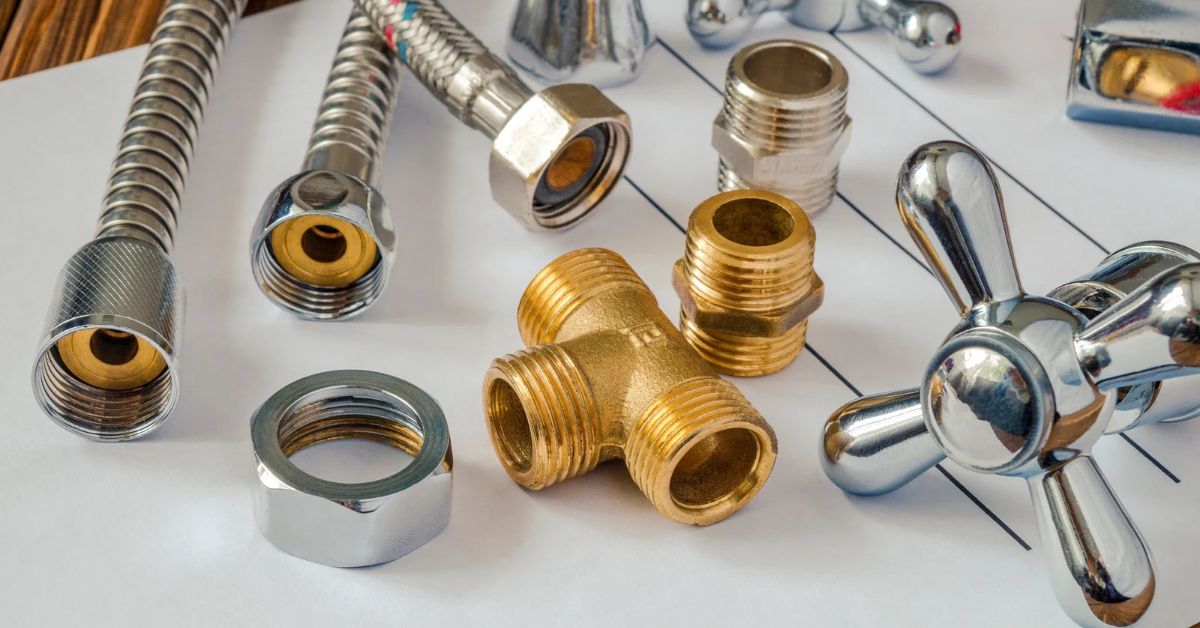
Parts and materials may be charged separately from labour. The cost depends on what is required, from basic replacement components to larger or more specialised parts.
Check whether materials are included in the quoted plumber price or will be added separately.
Specialist Equipment
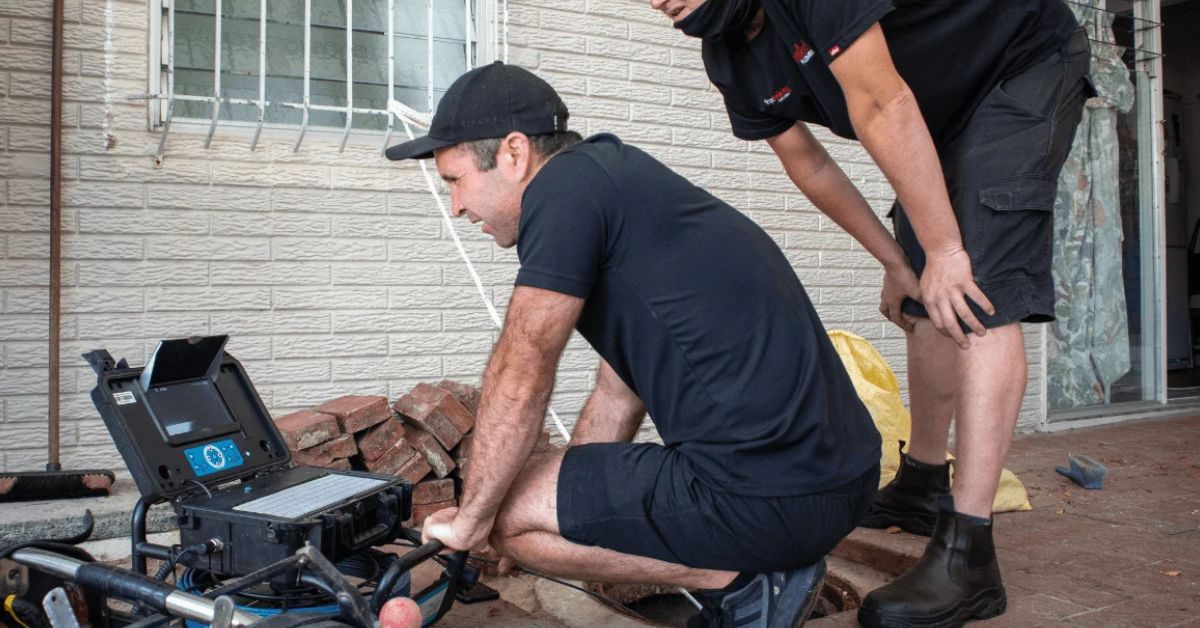
Some plumbing problems require equipment beyond standard hand tools. Leak detection, drain inspection and other specialist equipment can add to the cost of a job, particularly when the source of a problem is not immediately visible.
Emergency and After-Hours Work
A plumbing emergency outside normal working hours can cost more than a standard appointment. Emergency work may involve additional staffing, urgent travel and availability outside normal operating hours.
If you need an emergency plumber, ask about the pricing structure before work begins where possible.
What Is Included in a Plumber’s Hourly Rate?
When comparing plumbers’ rates per hour, it is easy to focus only on the number on the quote. However, an hourly rate can contribute towards several costs beyond the physical work carried out at your property.
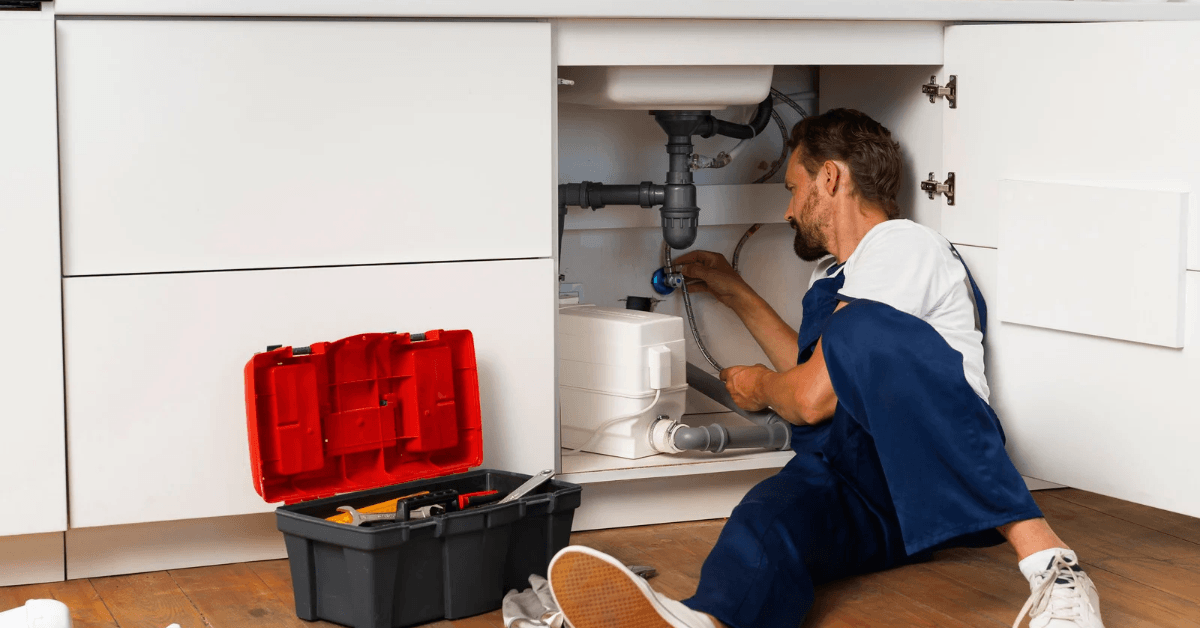
These can include:
- Skilled labour and experience
- Travel to and from jobs
- Business overheads
- Plumbing tools and equipment
- Vehicle costs
- Insurance and compliance
- Administration and scheduling
- Time spent sourcing or collecting materials where relevant
This means the amount charged for an hour of plumbing work should not automatically be viewed as the plumber’s personal hourly earnings. The rate helps cover the broader costs of operating a plumbing business.
A plumber may also spend time diagnosing a problem before carrying out a repair. In some cases, identifying the correct cause of a fault requires specialist knowledge and can be an important part of the work, even if the eventual repair takes relatively little time.
Why Can Two Plumbing Quotes Be Very Different?
You can receive two quotes for what appears to be the same plumbing problem and find that the totals differ significantly. That does not necessarily mean that one quote is incorrect. The plumbers may have assessed the problem differently or included different work in their estimates.
The scope of work can make a significant difference. One plumber might recommend repairing a component, while another may quote for replacing it. The accessibility of pipes, fittings or other plumbing can also affect the amount of labour required.
Other factors that can influence the difference include:
- The materials specified
- Whether the job involves a repair or replacement
- Accessibility of pipes or fittings
- Diagnostic or specialist equipment required
- Workmanship and any warranty offered
- Whether VAT is included
- Whether materials are included
- Whether a call-out fee is charged separately
When comparing quotes, look at what each plumber is actually offering rather than comparing the headline figure alone. A lower quote may cover a different scope of work or exclude costs included in another quote.
What Can Make a Plumbing Job Cost More?
A plumbing job can become more involved once the plumber starts investigating the problem. Several factors can increase the final cost, particularly when the issue is more complex than it first appeared.

Difficult Access
If pipes, drains or fittings are difficult to reach, the plumber may need more time, labour or additional equipment to complete the work.
Old or Damaged Plumbing
Older or damaged plumbing can present unexpected problems. A fitting may be difficult to remove, pipes may have deteriorated, or a previous repair may affect the work required.
Additional Faults
The original problem may not be the only fault. For example, investigating a leak could reveal damage elsewhere in the plumbing system.
If additional work is needed, the plumber should explain what has been found and how it could affect the original estimate before proceeding.
Emergency Call-Outs
Urgent plumbing work outside normal working hours can have different rates from standard appointments. Ask about emergency call-out charges before authorising the work where possible.
Specialist Equipment
Some faults cannot be accurately diagnosed through visual inspection alone. Specialist equipment can help identify hidden leaks, blockages, or other plumbing problems, but it can add to the total cost.
Parts Required
The parts needed for a repair can vary depending on the plumbing system and the problem being fixed. If replacement components are required, check whether they are included in the original quote or charged separately.
Hourly Rate or Fixed Quote: Which Is Better?
Whether an hourly rate or fixed quote is more suitable depends on the type of plumbing work and how clearly you can define the scope upfront.
An hourly rate can be useful when the amount of work is uncertain, or the plumber needs to diagnose the problem first. The plumber’s price per hour can vary depending on the type of work and how the plumbing company structures its pricing. However, the final cost can be harder to predict if the job takes longer than expected.
A fixed quote can provide more certainty when the plumber can clearly assess the work beforehand. You know the agreed price for the specified work, but you should check what is included and whether additional work could result in extra charges.
Before approving the work, make sure you understand how you will be charged, what is included in the price and what happens if the scope of work changes.
What Should You Ask Before Approving Plumbing Work?
Before agreeing to a plumbing job, ask a few simple questions about the quote:
- Is the call-out fee included?
- Does the rate include VAT?
- Are materials charged separately?
- Is there a minimum charge?
- What happens if additional work is needed?
- Will you be contacted before any extra work is carried out?
Getting these details clear before work begins can make it easier to compare quotes and avoid unexpected costs later.
It is also worth asking for the scope of work in writing. This gives you something to refer back to if the work or cost changes during the job.
It is also worth checking whether the plumber is registered with the Plumbing Industry Registration Board (PIRB). PIRB provides a service to verify registered plumbers and listed plumbing companies, giving you another way to check a plumber’s professional credentials before work begins.
Understanding Plumber Prices
A plumber price can reflect much more than the time spent on the job. Call-out fees, labour, materials, equipment, access and the complexity of the work can all affect the final cost.
Before approving plumbing work, make sure you understand what the quote includes and ask about any potential additional charges. Comparing the full scope of each quote, rather than just the final figure, can help you make a more informed decision.
For plumbing services, contact Absolute Plumbing Cape Town; we can help assess your plumbing needs and provide professional assistance for your property.
Frequently Asked Questions About Plumber Pricing
How much does a plumber cost?
At Absolute Plumbing Cape Town, general plumbing repairs and maintenance cost R850 per hour, while specialist services such as leak detection, drain camera inspections and drain cleaning cost R1,250 per hour. Larger plumbing jobs are usually priced according to the scope of the work, materials and equipment required.
What should a plumbing quote include?
A plumbing quote should clearly outline the work being carried out and the expected cost. It should also make clear whether labour, materials, call-out fees and VAT are included. If additional work may be required, ask how changes to the original scope will be handled.
Can a plumber give me a quote before starting work?
A plumber can often provide a quote before starting work, especially when the problem and required repairs are clear. For more complex issues, an initial inspection may be needed before the plumber can confirm a price. Ask what the assessment includes and when the final quote will be provided.
Why did my final plumbing bill cost more than the original quote?
A final plumbing bill can be higher if the plumber discovers additional problems, needs extra materials, or finds the work is more complex than expected. The plumber should explain any changes to the scope and additional costs before doing extra work, where possible.
Does a plumbing quote include VAT?
A plumbing quote may include VAT, but this depends on how the quote is presented and the business providing the service. Check whether the quoted price is VAT-inclusive before approving the work. This can help you compare quotes accurately and avoid unexpected differences in the final amount.
Should I get more than one plumbing quote?
Getting more than one plumbing quote can help you compare the expected cost and scope of the work. Look at what each quote includes, including labour, materials, call-out fees, VAT and exclusions, rather than comparing the final figures alone. This gives you a clearer basis for comparing the options.


