

This guide breaks down the most common faults, safety considerations, professional repair methods, and how to decide whether a unit should be repaired or replaced.Understanding how these systems fail, and how they should be repaired, helps homeowners make safer, faster decisions when problems appear.
Gas geysers are popular because they heat water efficiently and can provide reliable hot water while reducing electricity dependence. But like any mechanical system, they require gas geyser repair over time. Components degrade, gas flow can become inconsistent, and safety systems may trigger shutdowns.
Unlike standard plumbing issues, gas systems combine water, ignition, and fuel, which means even small faults can become serious safety concerns if ignored or handled incorrectly.
Common Gas Geyser Problems
Most gas geyser repair callouts start with a few recurring issues. While symptoms may seem simple on the surface, they often point to deeper mechanical or gas-related faults.
Ignition failure
One of the most common problems is ignition failure, where the geyser refuses to start or keeps switching off. This often results in a gas geyser not heating water situation, leaving the home without hot water entirely. Causes can include faulty ignition systems, blocked burners, or inconsistent gas supply.
Inconsistent water temperature
Another frequent complaint is fluctuating water temperature. Water may alternate between hot and cold unexpectedly, often linked to gas geyser pressure issues, scale build-up, or worn internal components that affect regulation.
Gas leaks or unusual smells
A gas geyser leaking gas is one of the most serious issues. Even a faint gas smell should never be ignored. It may indicate loose connections, damaged gas lines, or faulty valves. In these cases, the system should be shut off immediately and inspected.
Recent South African incidents involving carbon monoxide poisoning linked to gas appliances have also highlighted the importance of proper ventilation, professional installation, and regular gas appliance safety checks. Faulty gas systems or poor ventilation can create serious risks if problems are ignored.
No hot water supply
When the unit stops producing hot water entirely, it often presents as a no hot water gas geyser issue. This can stem from ignition failure, gas supply interruption, or internal component breakdown.
Thermostat or internal control failure
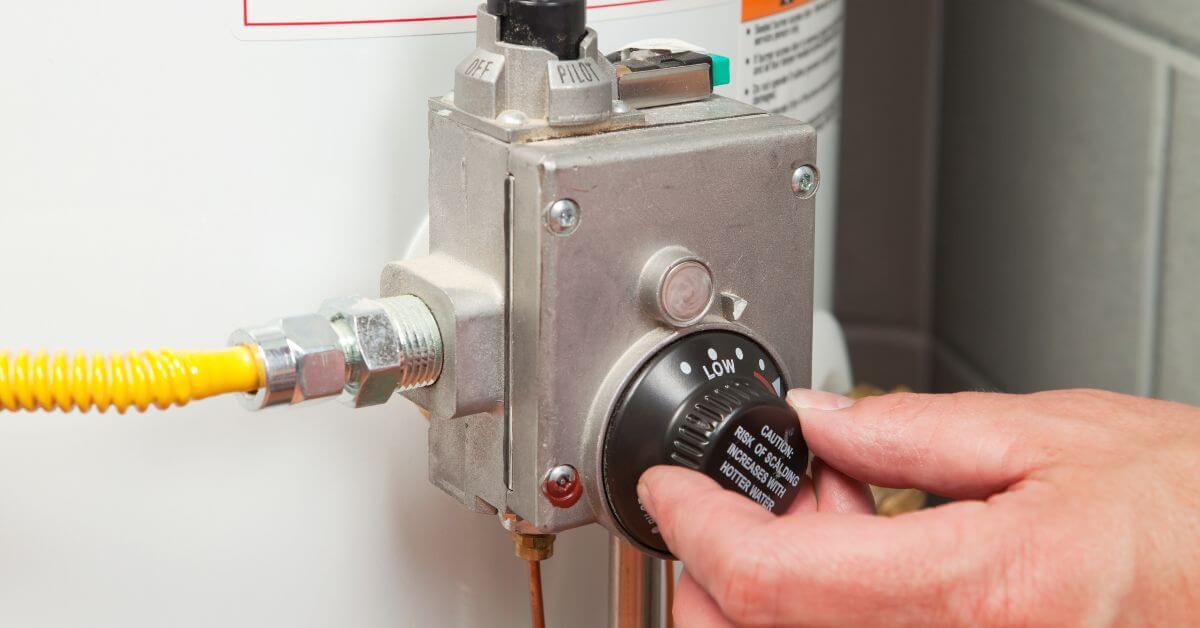
A faulty gas geyser thermostat can prevent the system from regulating temperature correctly. This leads to unstable heating, unexpected shutdowns, or complete loss of function.
Safety Checks Before Any Gas Geyser Repair
Before any gas geyser repair is carried out, safety must always come first. Gas systems are sensitive and should be treated with caution, even when the problem appears minor.
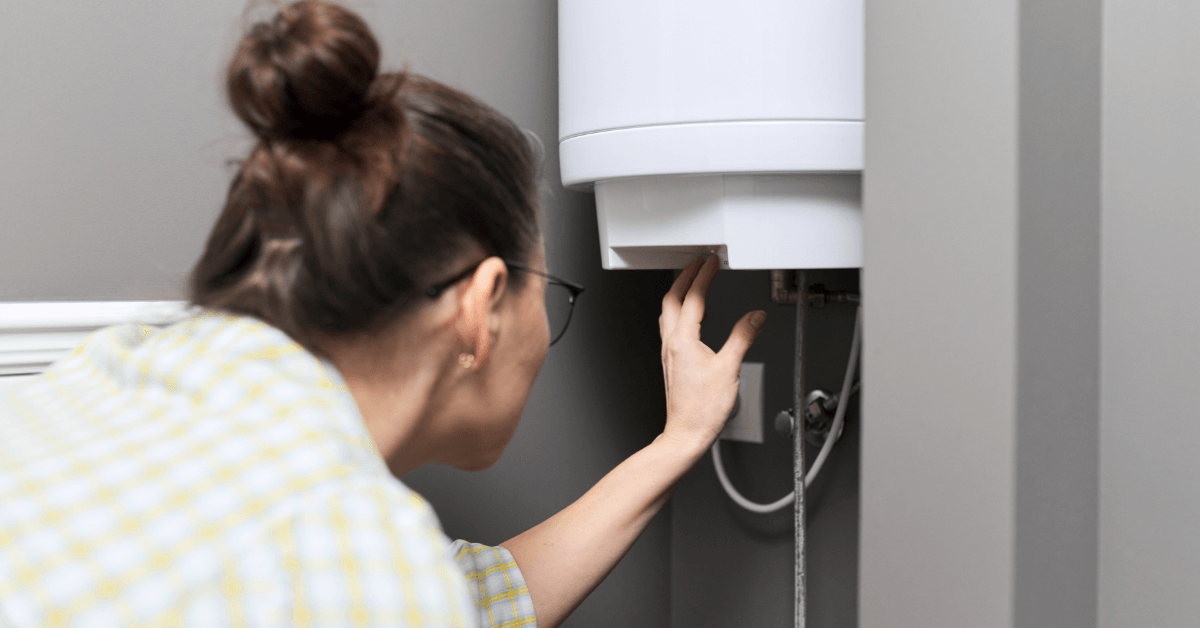
Homeowners should always check for:
- Check for any smell of gas around the unit
- Ensure the area is properly ventilated
- Turn off the gas supply if anything seems unusual
- Avoid tampering with gas connections or burners
- Never attempt DIY repairs on gas lines
A full gas appliance safety check is essential before restarting any system after a fault. This ensures there are no leaks or risks before the unit is used again.
Because of these risks, gas work should only be handled by a qualified and SAQCC Gas registered professional. Homeowners should always ensure the technician is certified to work on LP gas systems in South Africa.
Why Professional Repair is Essential
Technical expertise and safe repair
A gas geyser repair requires technical knowledge, diagnostic tools, and safety training. Unlike basic plumbing fixes, gas systems involve pressure control, combustion, and safety cut-off mechanisms. Professional plumbers handle everything from gas geyser installation and repair to fault diagnosis and system testing. This ensures that both performance and safety standards are met.
In urgent situations such as a full breakdown, an emergency gas geyser repair may be required. Professionals are trained to respond safely while identifying the cause quickly without compromising the system further.
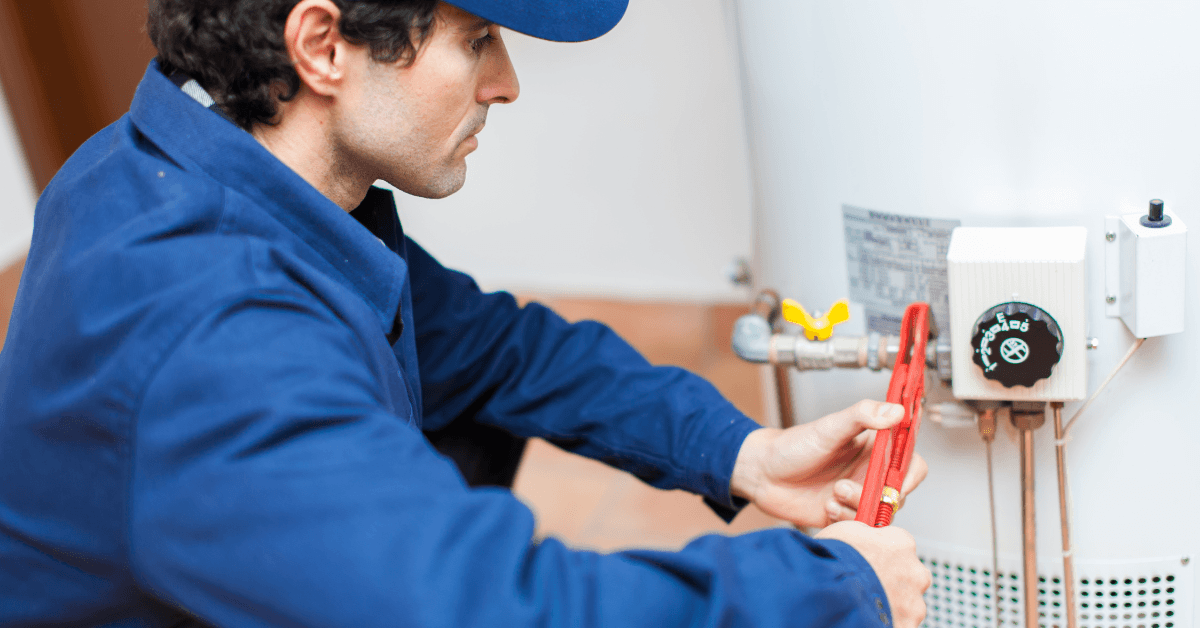
Attempting DIY fixes can increase risks such as gas leaks, incomplete combustion, or further mechanical damage. In most cases, improper repairs end up costing more in the long run.
Compliance and long-term safety
Beyond the technical side, certified professionals ensure compliance with safety regulations and insurance requirements, which is especially important for gas installations in South Africa. A properly repaired system not only restores hot water but also guarantees that the appliance is operating within legal and safety standards. This reduces long-term risk and helps prevent recurring faults that often stem from incorrect or incomplete repairs.
In South Africa, gas installations and repairs must comply with safety standards such as SANS 10087, which governs the installation, maintenance, and inspection of LP gas systems.
What a Standard Gas Geyser Repair Involves
A proper gas geyser repair follows a structured process designed to ensure both safety and functionality.
1. Initial inspection: The technician begins by assessing the geyser’s condition, checking ignition, gas flow, water pressure, and visible components.
2. Safety testing: Before any repair begins, the system is checked for leaks or unsafe pressure levels.
3. Fault diagnosis: The root cause is identified, whether it is ignition failure, pressure imbalance, thermostat failure, or blocked components.
4. Repair or part replacement: Faulty components are repaired or replaced as needed to restore proper function.
5. System testing: Once repairs are complete, the geyser is tested under normal operating conditions to ensure stable heating and safe operation.
Regular gas geyser maintenance can significantly reduce the risk of unexpected breakdowns and extend the lifespan of the unit.
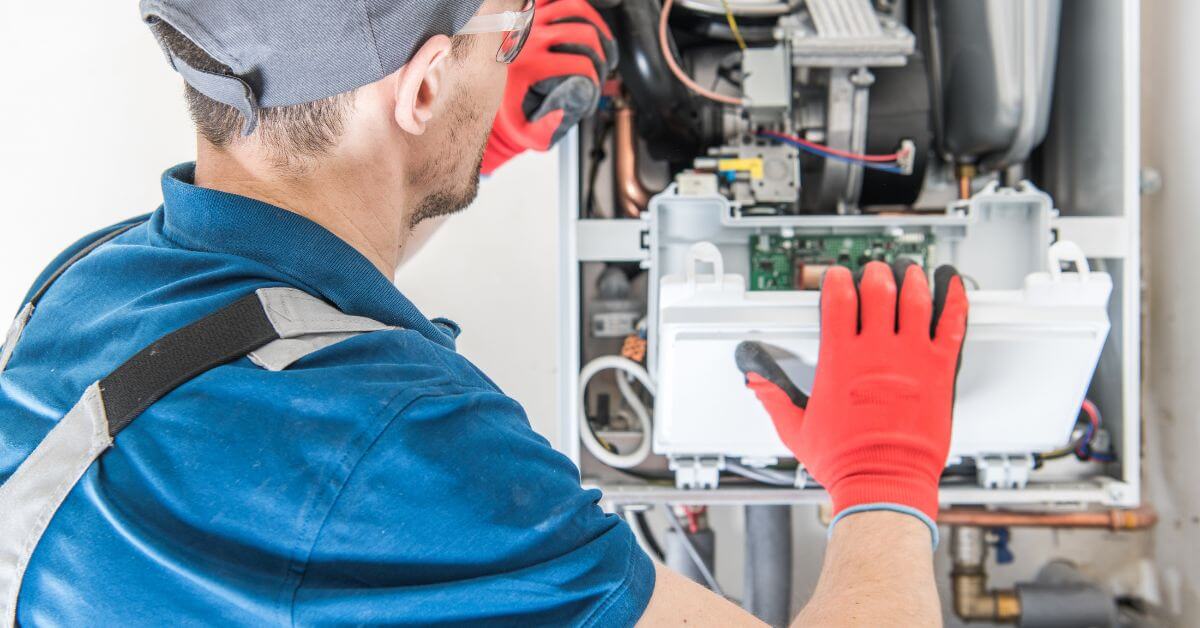
How Often Should a Gas Geyser Be Serviced?
Regular gas geyser maintenance plays an important role in both safety and performance. In most cases, gas professionals recommend scheduling a gas appliance safety check at least once a year to inspect the system and identify problems early.
During a professional service, technicians typically check:
- Ignition systems and burners
- Gas pressure and gas flow
- Ventilation and airflow
- Thermostats and safety components
- Signs of leaks, corrosion, or wear
Routine servicing helps:
- Reduce the risk of unexpected breakdowns
- Improve heating efficiency
- Extend the lifespan of the geyser
- Identify faults before they become expensive repairs
- Reduce safety risks linked to gas leaks or poor combustion
A professional inspection can also help ensure the geyser is burning gas correctly and ventilating safely, reducing the risk of carbon monoxide exposure caused by incomplete combustion or poor airflow.
In South Africa, annual servicing is especially important for systems exposed to coastal air, dust, fluctuating temperatures, or inconsistent water quality, as these conditions can place additional strain on gas geyser components over time.
How to Decide Between Repair and Replacement
Not every gas geyser repair is the best long-term solution. In some cases, replacement may be more practical and cost-effective.
Repair is usually suitable when the unit is relatively new, the fault is isolated (e.g. ignition issue), parts are readily available, and the system has been well maintained.
Replacement may be better when multiple components are failing, the geyser is old or inefficient, repairs are becoming frequent, and safety concerns are present.
A professional inspection helps determine whether repair or replacement is the safer and more economical choice.
Why Absolute Plumbing Cape Town is the Right Choice
When it comes to gas geyser repair, experience and safety matter. Absolute Plumbing Cape Town is trusted for delivering reliable, safety-focused solutions for homeowners across the region.
Their team is skilled in diagnosing everything from gas geyser ignition problem faults to full system failures. Instead of temporary fixes, they focus on identifying the root cause and ensuring the system operates safely and efficiently.
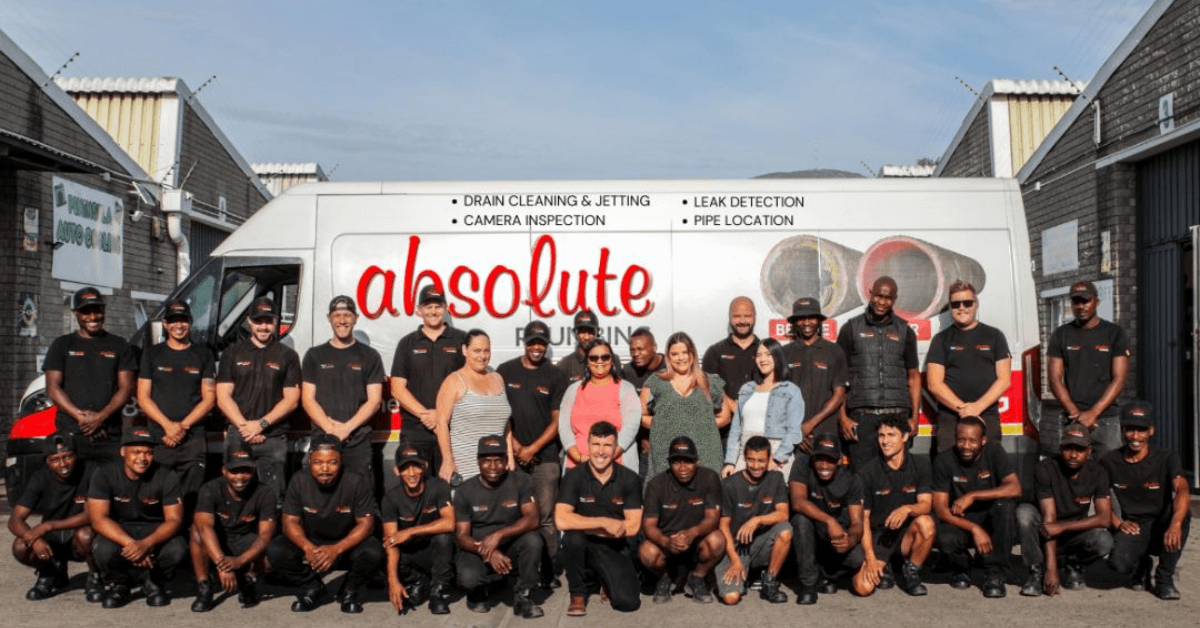
With proper testing, certification awareness, and practical field experience, they provide dependable solutions that reduce repeat breakdowns and improve long-term performance.
Safe, Reliable Hot Water Starts With the Right Fix
A gas geyser repair is never just about restoring hot water; it’s about ensuring the system is safe, stable, and correctly functioning. From ignition issues to pressure faults, small problems can quickly escalate if left unchecked, which is why professional diagnosis and repair are so important.
With the right approach, most geyser issues can be resolved efficiently and safely, helping you avoid repeated breakdowns and unnecessary risks.
If you’re experiencing any issues with your gas geyser, don’t wait for the problem to worsen.
Contact Absolute Plumbing Cape Town today for expert gas geyser repair, fast response times, and safe, professional service you can trust.
Frequently Asked Questions
Why is my gas geyser not heating water?
A gas geyser not heating water is usually caused by an issue affecting ignition, gas flow, or temperature regulation. In some cases, the unit may switch on briefly and then shut down again.
Common causes include:
- Faulty ignition systems
- Blocked or dirty burners
- Low gas pressure
- Interrupted gas supply
- A faulty gas geyser thermostat
- Internal component wear
If the problem continues, the system should be inspected by a qualified gas professional. Attempting DIY repairs on gas appliances can create serious safety risks.
What should I do if my gas geyser smells like gas?
If you suspect a gas leak, act immediately and treat it as a potential emergency.
You should:
- Turn off the gas supply if it is safe to do so
- Open windows and doors to improve ventilation
- Avoid using electrical switches or appliances
- Avoid open flames or smoking near the area
- Leave the area if the smell is strong
- Contact a qualified gas technician immediately
A gas geyser leaking gas should never be ignored. Gas leaks can increase the risk of fire, explosion, or carbon monoxide exposure if the system is not functioning correctly.
Can I repair a gas geyser myself?
Gas geyser repairs should not be attempted without the proper training and certification. Gas systems involve combustion, pressure regulation, ventilation, and safety controls, which require specialised knowledge to diagnose and repair safely.
Incorrect repairs can lead to:
- Gas leaks
- Fire hazards
- Carbon monoxide exposure
- Water damage
- Damage to internal components
In South Africa, gas installations and repairs should be handled by qualified and properly registered gas professionals to ensure compliance with safety standards.
How do I know if my gas geyser needs replacement instead of repair?
A gas geyser may need replacement if repairs are becoming frequent or if the unit is no longer operating efficiently or safely.
Signs replacement may be the better option, including:
- Frequent breakdowns
- Rising repair costs
- Corrosion or visible damage
- Ongoing gas geyser pressure issues
- Inconsistent water heating
- Parts becoming difficult to source
- The system being old or inefficient

A professional inspection can help determine whether a gas geyser repair is still practical or whether replacement would be safer and more cost-effective long term.
Can a faulty gas geyser cause carbon monoxide poisoning?
Yes. A faulty gas geyser can potentially produce carbon monoxide if combustion is incomplete or ventilation is poor. Carbon monoxide is a dangerous gas that cannot be seen or smelled.
Warning signs may include:
- Headaches
- Dizziness
- Nausea
- Fatigue
- Poor ventilation around the appliance
Regular servicing and professional gas appliance safety checks help reduce the risk of carbon monoxide exposure and ensure the geyser is operating safely.


