
A smelly toilet can be frustrating, especially after you’ve just cleaned the bathroom. If the smell keeps returning, the problem may have nothing to do with how well you clean. Instead, it could point to an issue with the toilet seal, a dry drain trap, poor ventilation or the drainage system.
The tricky part is figuring out where the smell comes from. A toilet smell can originate from the toilet itself, another bathroom fixture or a nearby drain. If you have a smelly toilet that won’t stay fresh, identifying the source is the first step towards fixing it.
Before reaching for another bottle of cleaning products, use these checks to narrow down the cause of the smell and work out what needs fixing.
Is the Smell Coming From the Toilet?
When dealing with a smelly toilet, start by checking where the smell is strongest. A smell from toilet areas such as the bowl or base may point to a different problem from a sewer smell in the bathroom that seems to come from a basin, bath, shower or nearby drain. Identifying the source can help you work out what needs attention.

Start by checking these areas:
- Toilet bowl: If the smell is strongest above the bowl, clean beneath the rim and around the waterline to remove any organic build-up. If the smell resembles sewage and persists after cleaning, there may be a plumbing issue.
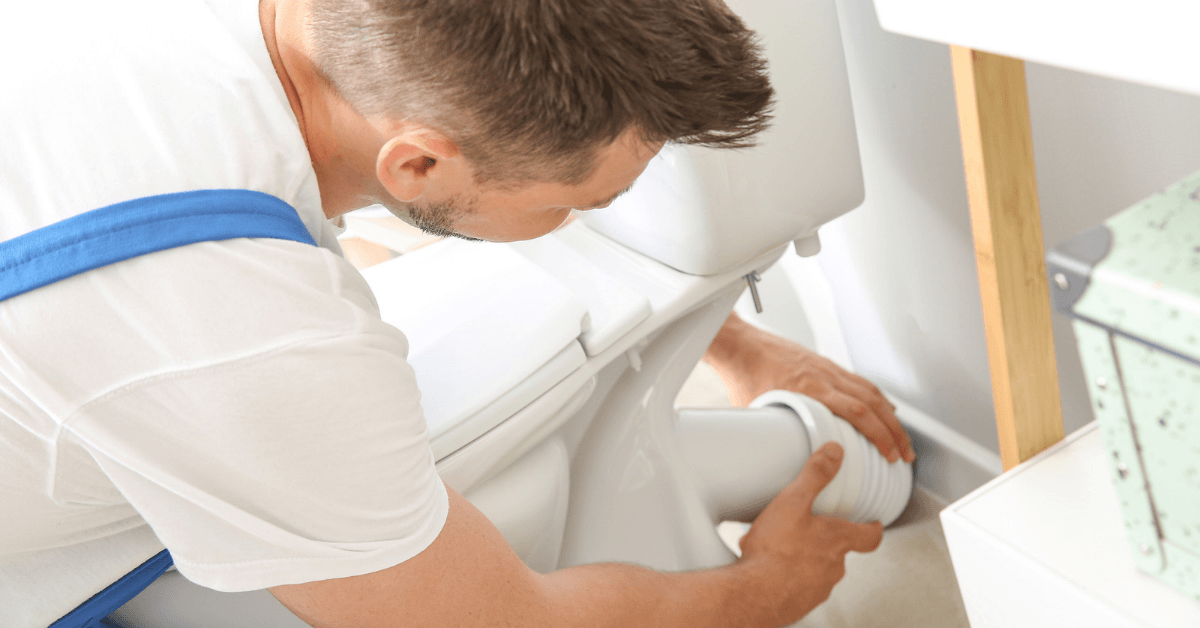
- Base of the toilet: A sewer smell around the base can indicate a failed seal where the toilet connects to the waste pipe. Look for dampness or signs of leakage, but remember that a failed seal can allow gases to escape without visible water.
- Basin: Run the tap and smell near the plughole. Build-up inside the waste pipe or a problem with the trap could be responsible.
- Bath or shower: Check the plughole and drain, particularly if the shower or bath is rarely used.
- Floor drain: If your bathroom has a floor drain, check whether it contains water. A dry trap can allow unpleasant drain gases to enter the room.
- Washing-machine drain: If the washing machine is nearby, inspect the drain connection for odours that could be mistaken for a toilet problem.
If you cannot identify the source, do not assume the toilet is faulty. A sewer smell in the bathroom can come from another fixture connected to the same drainage system.
Common Reasons a Toilet or Bathroom Smells Like Sewage
If you’ve identified where the smell is strongest, the next step is to work out what’s causing it. A smelly toilet can be linked to anything from a faulty seal to a dry drain trap. A sewage smell in the bathroom may also point to a problem with the drainage system. When the smell occurs and whether other fixtures are affected can help narrow down the cause.
| Possible cause | Signs to look for | What to do |
| Failed toilet seal | The smell is strongest around the toilet base, particularly after flushing. There may be dampness, but a leak isn’t always visible. | Check for dampness or movement around the base. If the smell persists, ask a plumber to inspect the seal. |
| Dry drain trap | A sewage smell appears in a bathroom or near a basin, bath or shower that hasn’t been used for a while. | Run water through unused fixtures to refill their traps. If the smell returns quickly, have the trap and drainage system checked. |
| Blocked or incorrect venting | Gurgling drains, smells that worsen after flushing or problems affecting several fixtures. | Arrange for a plumber to inspect the ventilation and drainage system. |
| Damaged drain or sewer pipe | A sewage smell near a wall or elsewhere in the house, sometimes alongside damp patches, water damage or recurring drainage problems. | Check accessible pipework for visible damage, but leave repairs and further investigation to a plumber. |
| Poor plumbing installation | The smell starts after a bathroom renovation, toilet installation or other plumbing work. | Have the affected fixtures and connections inspected to identify any installation faults. |
| Blocked drain | Unpleasant odours alongside slow drainage, gurgling or wastewater backing up into other fixtures. | Check whether other fixtures are draining normally. If problems persist or wastewater backs up, arrange a drainage inspection. |
| Organic build-up | The smell improves after cleaning the toilet bowl, underside of the rim, seat hinges and exterior. | Clean these areas with a suitable bathroom cleaner. If the smell persists, investigate the plumbing rather than repeatedly cleaning the toilet. |
Not every sewage smell means you have a blocked drain. A faulty seal, dry trap, damaged pipework or ventilation problem can produce similar odours.
If you suspect a blockage, particularly when wastewater backs up or several fixtures drain slowly, read our guide to sewer blockages for further advice.
Never mix cleaning products, especially bleach with acidic or ammonia-based cleaners, as this can release dangerous gases.
Why Does a Bathroom Smell After It Hasn’t Been Used?
If your smelly toilet still smells after cleaning, the cause may be a plumbing problem rather than dirt or bacteria. Cleaning can remove organic build-up, but it won’t fix a damaged toilet seal, a dry drain trap or a faulty ventilation system. If the smell keeps returning, identifying its source is more useful than repeatedly cleaning the same areas.

Water in drain traps can evaporate over time, particularly in bathrooms that are rarely used. Without enough water to form a barrier, sewer gases can enter the room through the drain.
To check whether this is causing the smell:
- Run water into the basin for a short time.
- Run the shower or bath briefly to refill the traps.
- Flush the toilet.
- Wait a little while to see whether the smell clears.
If the smell disappears and stays away, an unused fixture may have been responsible.
However, if the sewage smell returns despite running water through the fixtures, there may be another plumbing issue. A faulty seal, damaged pipe or ventilation problem could be allowing sewer gases into the bathroom.
If the smell persists, have a plumber investigate rather than relying on repeated cleaning or running water to mask the problem.
Why Does the Smell Get Worse After Flushing?
If your toilet smells like sewer after flushing, a faulty toilet seal, ventilation problem or underlying drainage issue could be responsible.
Flushing changes the air pressure in the drainage system. If something isn’t working correctly, sewer gases may escape through a faulty connection or drain traps may lose their water barrier.
Check for these warning signs:
- A smell that’s strongest around the toilet base.
- Gurgling from the basin or shower.
- Slow drainage or wastewater backing up.
- Changes in the toilet’s water level.
These signs can help narrow down the cause, but they don’t confirm a specific fault. If the smell repeatedly returns after flushing, arrange for a plumber to inspect the system rather than relying on cleaning to resolve it.
Why Does My Toilet Still Smell After Cleaning It?
If your toilet still smells after cleaning, the cause may be a plumbing problem rather than dirt or bacteria. Cleaning can remove organic build-up, but it won’t fix a damaged toilet seal, a dry drain trap or a faulty ventilation system.
Use the checks below to narrow down what could be causing the smell.
| What you notice | Possible cause | What to do next |
| Smell strongest around the toilet base | Damaged toilet seal | Ask a plumber to inspect the connection |
| Smell in a rarely used bathroom | Dry drain trap | Run water through unused fixtures |
| Smell gets worse after flushing | Seal, venting or drainage problem | Check for gurgling or poor flushing |
| Smell comes from the basin, bath or shower | Organic build-up or a faulty trap | Clean the drain opening and refill the trap |
| Smell persists throughout the bathroom | Ventilation fault or damaged pipework | Arrange a plumbing inspection |
| Smell occurs alongside slow drainage or wastewater backing up | Possible drain blockage | Have the drainage system checked |
These signs can help you identify the likely cause, but they aren’t a definitive diagnosis. Several plumbing faults can produce similar smells.
If the smell persists after cleaning and running water through unused fixtures, have a plumber investigate the source. Repeated cleaning won’t resolve a plumbing fault, and identifying the cause is the first step towards fixing it.
How Can a Plumber Find a Sewer Smell?
If you can’t work out where a sewage smell is coming from, a plumber can inspect the toilet, bathroom fixtures and drainage system to identify the cause.

The inspection may include:
- Checking toilet seals: Looking for damaged or incorrectly fitted seals that could allow sewer gases to escape around the toilet connection.
- Inspecting drain traps: Checking whether the traps contain enough water to prevent gases from entering the bathroom.
- Checking ventilation: Looking for faults that could affect air pressure in the drainage system and allow unpleasant smells into the property.
- Inspecting drains and pipework: Looking for damaged connections, leaks or drainage problems that could be contributing to the smell.
If the source isn’t immediately obvious, further investigation may be needed to locate the fault. The appropriate approach will depend on the plumbing layout and the symptoms you’ve noticed.
If your toilet smells like sewer despite regular cleaning, or you notice a persistent sewage smell in the house, a professional inspection can help identify what needs fixing.
Our Absolute Plumbing Cape Town team can investigate persistent plumbing odours and determine what repairs may be needed. Contact our team to arrange an inspection and find the right solution for your plumbing problem.
Is a Sewage Smell a Sign of a Blocked Sewer?
Sometimes, but not always. A blocked sewer or drain can cause unpleasant odours, especially when wastewater cannot flow away properly. You may also notice slow drainage, gurgling, water backing up or problems affecting more than one fixture.
However, a sewage smell in the bathroom can also be caused by a dry trap, a failed toilet seal, poor venting or damaged pipework.
The key difference is whether the smell occurs alongside other drainage symptoms. If the toilet and other fixtures drain normally, a blockage is not the only explanation worth considering.
A blocked sewer can cause several drainage problems, including slow drainage, gurgling and wastewater backing up into fixtures. If you notice these symptoms alongside a persistent sewage smell, arrange for a plumber to inspect the drainage system.
Frequently Asked Questions About Smelly Toilets
Why does my toilet smell like sewer?
A toilet smells like sewer when sewer gases enter the bathroom through a faulty seal, dry drain trap, ventilation problem or damaged pipework. Organic build-up can also cause unpleasant odours. If cleaning doesn’t help, investigate the plumbing rather than repeatedly scrubbing the toilet.
Why does my bathroom smell like sewage at night?
A bathroom may smell like sewage at night because a drain trap has lost water or an existing plumbing fault becomes more noticeable. If the smell returns regularly, affects several fixtures or persists after running water through unused drains, arrange a plumbing inspection.
Will cleaning the toilet remove a sewer smell?
Cleaning will remove a sewer smell only if organic residue, urine deposits or bacteria are causing the odour. It won’t fix a damaged toilet seal, dry drain trap or leaking pipe. If the smell persists after cleaning, the source may require a plumbing repair.
Does a sewage smell always mean there is a blocked drain?
No, a sewage smell doesn’t always indicate a blocked drain. Blockages may cause odours alongside slow drainage, gurgling or wastewater backing up. A faulty toilet seal, dry drain trap or ventilation problem can also allow sewer gases into the bathroom.


